What comes next?
I’ve started knitting in a pretty big way and have really appreciated knitting every day to make really beautiful clothing for my family. I’ve had the time to sit back and enjoy my crafts and trying new things without the pressure of finishing an order or attempting to make something that would be popular enough to sell.
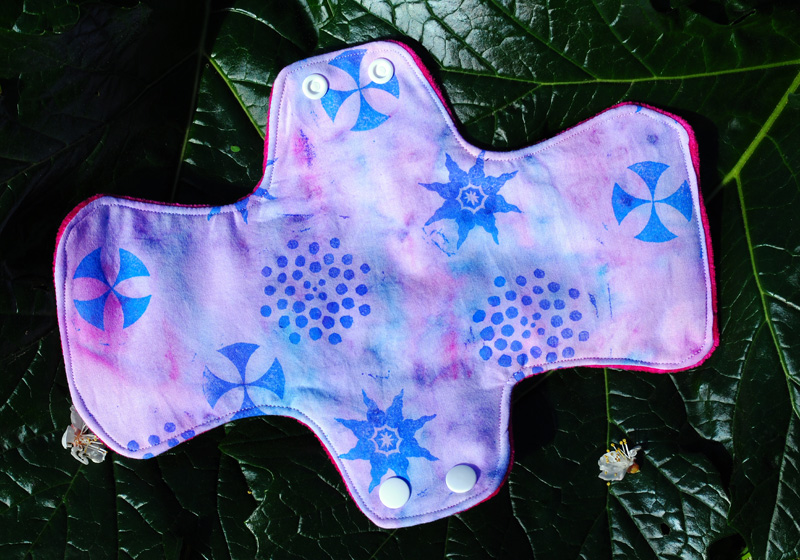
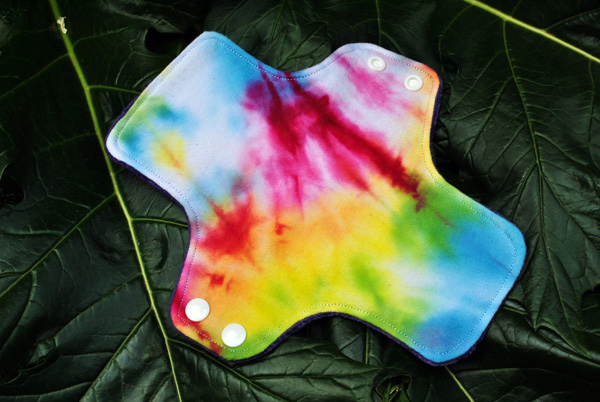
I’ve also been thinking a lot. About how much I dislike making items that I don’t personally like, but that somebody wants and will pay money for. About how I like to be free to make what I love. And now for the real problem – that I often seem to like things that other people don’t like or aren’t interested in.
All this leads me to ponder on my former philosophy of art and craft – that the two blend together almost seamlessly. But am I wrong? Because lately, I feel a direct leaning towards art as opposed to craft. My business card says “Textile Artist”, but have I ever really taken myself seriously as an artist or am I just “the lady who makes stuff”?
Some things are worth the money
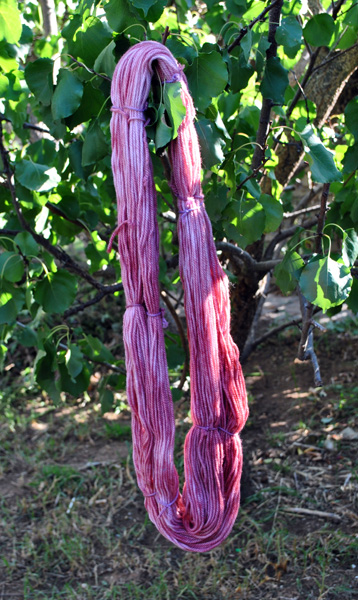
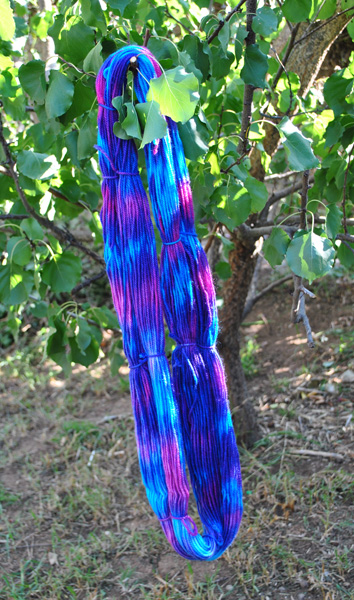
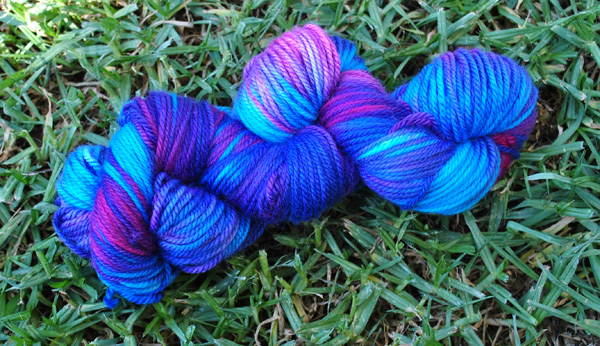
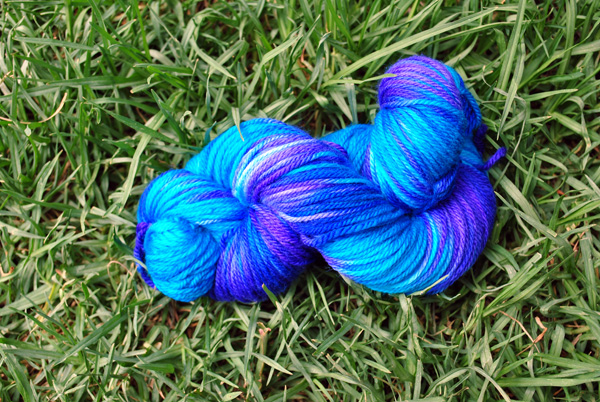
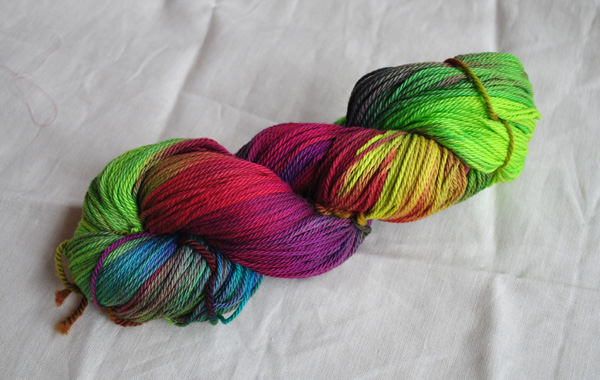
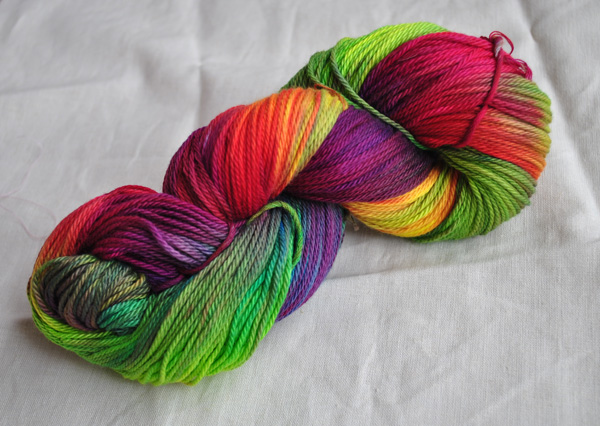
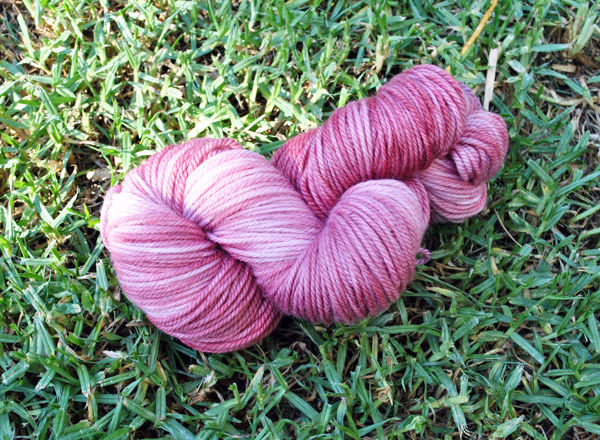
Hand dyed yarn
Little butterflies cardi
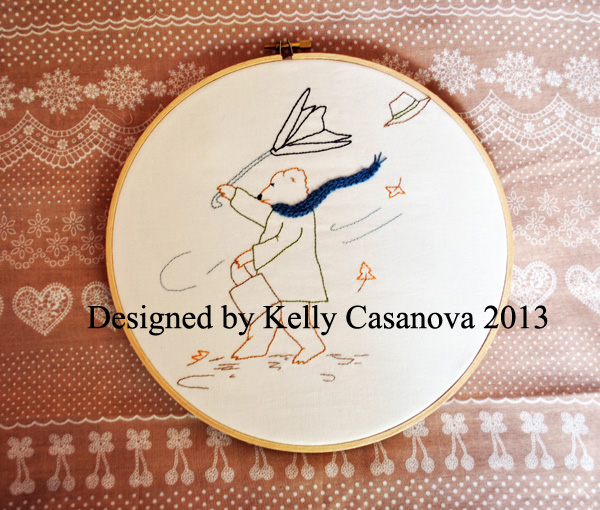
Away and back
Kefir, berry and yoghurt smoothie
Log cabin cot quilt
Wholemeal, rye and linseed bread
So, here is what I came up with yesterday – Wholemeal, rye and linseed loaf.
200g wholemeal flour
100g rye flour (I used organic)
700g good quality unbleached plain flour
1 teaspoon dry yeast
2 tablespoons linseeds (whole)
2.5 tablespoons sunflower oil
2.5 teaspoons salt
around 700 ml warm water – you may need less or more.
Mix flours, seeds and yeast in a mixmaster bowl. Attach dough mixers and arrange bowl ready for the machine to mix it. Start the machine mixing on low. Start to slowly pour in the water, taking several breaks to observe the wetness of the dough. Don’t add in all the water yet. Add the oil, allow to mix in, then add the salt.
* I do the water by feel. What you want with this dough, given that it has rye and wholemeal components which have the potential to be dry, is a nice moist dough. Keep adding the water until you’re happy the dough is moist enough. It should look sticky. I make this dough much wetter than my usual white loaf.
Keep it mixing for about 10 minutes.
Turn out onto an oiled surface and knead the dough – stretching it out and pulling it in. This part is not absolutely necessary but I always do it to get a feel for the dough. It shouldn’t feel too stiff and definitely shouldn’t feel dry. It should be sticky and firm but stretchy to handle.
Place in an oiled bowl and cover with oiled cling wrap. Now, this is important: this dough requires a long rising time as we only used a little yeast. The long rising time also allows the flavours to develop beautifully. I won’t give you a perfect time frame, it depends on the weather, but at least a few hours rising time to double in size.
When doubled in size turn out onto the oiled surface again and press and shape into loaves. You can make just freeform loaves on a tray or place them in loaf tins as I did. Cover with the same oiled wrap and set aside to rise again, until the dough is high in the tin or doubled again on the tray. Lets say about an hour š While the second rise is happening, preheat the oven to 240 degrees (C).
Slash the loaves with a sharp knife.
Place in the very hot oven for 12 minutes.
After 12 minutes, turn the oven down to 190 deg. (C) and continue to cook for another 20 minutes.
Turn out onto baking racks and cool.
This year….