• Skip to main content
  • Skip to primary sidebar

Kelly Casanova Weaving Lessons

  • Hi! I’m Kelly!
    • Disclosure
  • Online Weaving School Class Index
    • Common account issues
    • Common technical issues
    • What do I get with a membership?
  • New to rigid heddle weaving? Start here!
    • Never heard of the rigid heddle loom?
    • How to weave neat edges on the rigid heddle loom
    • Rigid heddle weaving
    • Rigid Heddle Weaving Patterns
  • Patterns
  • Subscribe

weaving projects

How Many Projects Is Too Many?

by Kelly 11 Comments

How many projects is too many? 🤔 If you’re anything like me, you’ve probably got more than one project on the go at any given time. Maybe it’s a rigid heddle scarf on the loom, a tapestry sampler, some floor loom experiments, or even a non-weaving project like knitting or sewing. And maybe—just maybe—some of those projects have been “in progress” for quite a while.

Is that a problem? Not necessarily.

In fact, I’ve found that having multiple creative projects on the go can actually be a good thing—for creativity, productivity, and even self-care. But I’ve also learned that this approach doesn’t work for everyone, and even for those of us who love variety, there are a few important things to consider.

Let’s take a look at the pros and cons of juggling multiple projects at once, and how to make it work for you (rather than against you).

The Upside: Why More Than One Project Can Be a Great Thing

There are several reasons why I personally enjoy and benefit from having multiple projects in motion.

💡 It keeps me creatively inspired

When I switch between different techniques, fibres, or project types, I find it actually fuels my motivation. If I feel a bit stuck or bored with one thing, I can take a break and pick up something else that excites me.

🧘‍♀️ It gives my body a break

Different projects involve different movements and muscle groups. For example, weaving at a floor loom can be demanding on the legs and back, while spinning or hand-sewing is more gentle and seated. Rotating between them helps avoid repetitive strain and gives parts of my body a rest.

🎯 It helps me be more productive overall

This might sound counterintuitive, but I often finish more projects when I allow myself to work on a few at once. Why? Because I stay in the flow of creativity rather than getting bogged down in frustration or boredom with a single task.

Turned Tacquete on my Louet David 8 Shaft Floor Loom

The Downside: What to Watch Out For

Of course, having too many projects can come with its own set of challenges.

🕳️ The danger of the “unfinished” pile

Longer-term or more difficult projects can easily end up languishing while I focus on newer, shinier things. Sometimes, they’re forgotten entirely—or feel like a burden when I do remember them.

🏠 The clutter adds up

Let’s be honest—every project takes up space. If you don’t have dedicated storage, and adequate space, things can get messy fast. (Ask me how I know, I have my own studio and things still get out of hand!)

🤹 It can feel mentally overwhelming

Even when projects are tucked away, they take up mental space. That little voice saying “You really should finish that…” can start to sound pretty loud when it’s multiplied by five or six projects.

Are You a One-Thing-at-a-Time or Many-Things-at-Once Kind of Person?

This is the key question. Some people feel scattered and anxious when they have too many projects on the go. Others (like me!) thrive on at least some measure of variety.

Ask yourself:

  • Do you feel inspired or overwhelmed by multiple projects?
  • Are you good at coming back to things, or do you tend to move on permanently?
  • Does your environment support multiple projects, or is it stressing you out?

Being honest about your tendencies, preferences and living situation can help you make better decisions for your creativity and well-being.

Bright & Beautiful Towels PDF Pattern

A Few Things to Consider Before Starting “Just One More”

Before you jump into another project, it’s worth asking:

💰 Can I afford it right now?

Some projects require buying new tools, yarns, or supplies. Do you have the budget to support more than one at a time?

📦 Do I have the space to store it?

Even small projects take up room. Is there somewhere safe and organised you can keep your work-in-progress?

📅 Am I likely to finish it—or will it join the WIP graveyard?

You know yourself best. If you’ve started five projects in the past month and finished none, it might be time to pause and focus. Be honest and know yourself for the best outcome.

What Works for Me

Over time, I’ve found a rhythm that suits both my creative energy and my practical limits.

  • I usually have one main weaving project on the loom, plus one or two side weaving projects plus some other activities like dyeing, sewing, spinning, knitting or crochet.
  • I use small baskets, zip pouches and tote bags (handwoven of course!) to keep WIPs organised and tidy.
  • I allow myself to start something new only if it serves a creative need or solves a problem (not just to avoid a tricky bit on something else!). If there is something I’m feeling super passionate about, I will allow myself to go with that motivation and ride the wave at least some of the time.
  • I keep a simple notebook list of active projects so I can easily jump back in when I have time or energy. I also add future desired projects to this list.

And most importantly—I try not to beat myself up if something takes a long time. Creativity isn’t always linear, and that’s okay.

Theo Moorman Technique Online Course

Final Thoughts: It’s Not About the Number, It’s About the Balance

There’s no magic number of “allowed” projects. What matters is whether your projects are serving you—your creativity, your energy, your enjoyment.

If you’re the kind of person who thrives with multiple projects, embrace it (with some boundaries if needed). If you prefer one at a time, that’s great too. Either way, tune into what works for YOU in this season, and don’t be afraid to change your approach if needed.

*This post may contain affiliate links. For more information, please see my disclosure policy.

If you’re challenged by availability of space, consider whether small loom weaving would be well suited to your situation.

If you find it hard to focus or get anything done with the time that you have, check out the 10 Minute Rule to increase productivity.

I hope you enjoyed this post and feel free to share with us your own thoughts and experiences in the comments below ⬇️

Until next time…

Happy Weaving!

Filed Under: Free Pattern, Rigid heddle weaving, Rigid Heddle Weaving Patterns, Weaving Tagged With: too many projects, weaving projects

5 Fun Floor Loom Weaving Projects for Beginners

by Kelly Leave a Comment

Welcome to the colourful and exciting world of floor loom weaving!

If you’re looking for a creative and relaxing hobby, weaving might just be your new favourite pastime. Don’t worry if you’re a complete beginner— with a good dose of patience, enthusiasm and just a bit of guidance, you can create beautiful projects in no time. Let’s dive into five fun weaving projects that will spark your creativity and boost your skills!

1. Simple Placemats

Kick off your weaving journey with some simple placemats! They’re quick to make and add a personal touch to your dining table.

  • Materials Needed: Cotton yarn in various colors.
  • Steps:
    1. Set up your loom with plain weave threading.
    2. Weave by alternating shafts 1 and 2 for plain weave.
    3. Finish the edges by tying simple knots or using a hem stitch.
  • Tip: Don’t hesitate to mix and match colors—this is a great opportunity to experiment!

2. Basic Scarf or Cowl

Next up is a lovely scarf! It’s perfect for keeping warm or levelling up your wardrobe and makes a wonderful gift for friends or family.

  • Materials Needed: You have so many choices here! Some options (click to see examples) would be:
  • Wool
  • Tencel
  • Bamboo
  • Acrylic
  • Cotton
  • Steps:
    1. Warp the loom according to the desired scarf width and length (don’t forget to pre-calculate. The Introduction to Floor Loom Weaving course includes printable calculation sheets).
    2. Explore basic patterns like plain weave or twill.
    3. Hemstitching on the loom is a great way to secure your ends, then a twisted fringe adds a really stylish and professional looking finish.
  • Encouragement: This project is not only practical but also a great way to showcase your personality through color and patterning choices!

The project for my Introduction to Floor Loom Weaving online course is a beautiful cowl which is perfect for beginner floor loom weavers and beyond.

3. Woven Wall Hanging

Transform your space with a beautiful woven wall hanging. This project allows for creativity and self-expression. Pretty much anything goes – if you like it then it’s good!

  • Materials Needed: A mix of fibres is possible here, and a dowel for hanging. This can be a terrific project for using up stash yarn.
  • Steps:
    1. Set up your loom for free-form weaving. Plain weave threading is perfect.
    2. Experiment with different techniques like looped or knotting. You could weave a balanced plain weave or a weft faced weave (more like tapestry).
    3. Finish by attaching it to a dowel.
  • Tip: Choose colors that resonate with you and your decor for a piece that feels uniquely yours!

4. Tote Bag

A practical project, a woven tote bag is perfect for carrying your essentials in style.

  • Materials Needed: Sturdy yarn. You can use pre made handles or make your own.
  • Steps:
    1. Weave a large rectangle in plain weave.
    2. Sew the sides together and attach the handles.
    3. If you want to get a little fancier, you can line the bag with commercial fabric like I do in the Tote Bag Series.
  • Encouragement: It’s not just useful; it’s a great way to show off your weaving skills wherever you go! I love projects that are both practical and useful 😉

5. Baby Blanket

For a larger project that’s oh-so-rewarding, consider weaving a baby blanket. I recommend completing a baby blanket before trying a larger sized throw or blanket because it gives you all the practice you will need. Seeing a fresh little human being wrapped up in a handwoven blanket made with love just warms my heart.

  • Materials Needed: Cottons are safest for babies.
  • Steps:
    1. Warp your loom to accommodate the blanket size.
    2. Explore with your weave structure if you’re ready, but be careful there are no long floats where little fingers and toes could catch. Plain weave is lovely for blankets too. Check out Tom Kinsley’s Handwoven Baby Blankets book for heaps of inspiration and blankets to try!
    3. Finish by securing the edges. Neatly finished double fold hems are best for babes.
  • Tip: This blanket can become a treasured item for years to come — babies who grow into children who grow into adults can get quite attached to their blankies!
  • BONUS TIP

There are so many great weaving books available but I recommend that you start out with a draft and pattern directory like Anne Dixon’s Handweaver’s Pattern Directory (4 shaft patterns) or Carol Strickler’s A Weavers Book of 8 Shaft Patterns.

These are the kind of books that I refer back to again and again or frequently flip through for inspiration.

Weaving on a floor loom is not only a fun craft but also a fulfilling creative outlet. It can even become a way to make an income doing something you love. Remember, every project you complete builds your skills and confidence, so don’t be afraid to experiment and make mistakes. Choose any project that excites you, (but be realistic – walk first, then run!) and let your creativity flow.

Until next time…

Happy weaving!

*This post may contain affiliate links. For more information, please see my disclosure policy.

Filed Under: Floor Loom Weaving, Weaving Tagged With: 5 fun floor loom weaving projects for beginners, floorloomweaving, weaving projects, weaving projects for beginners

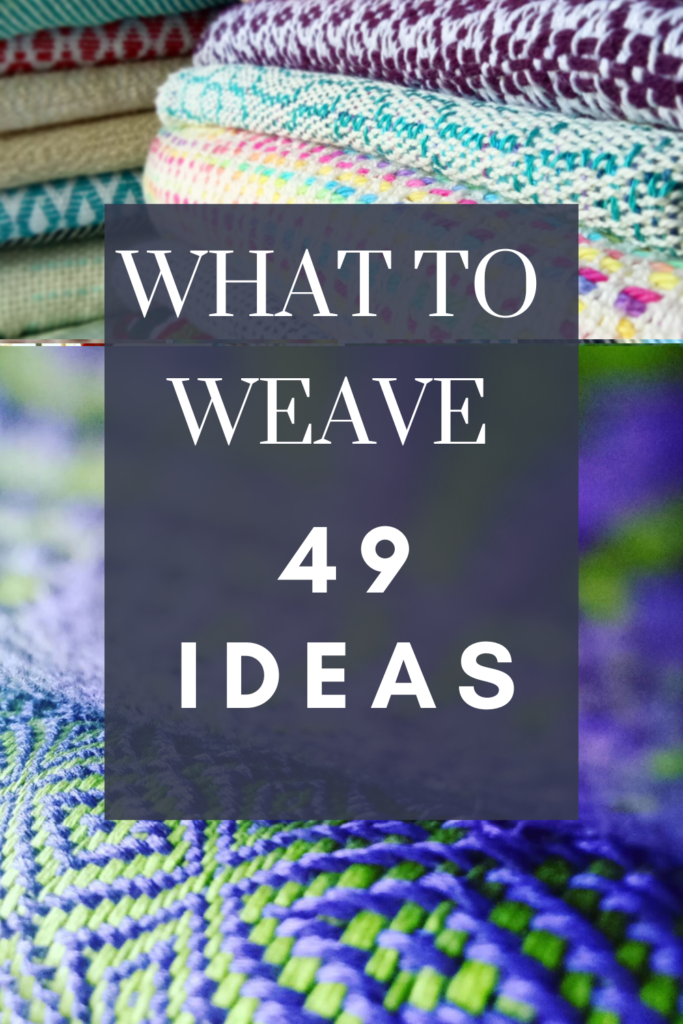
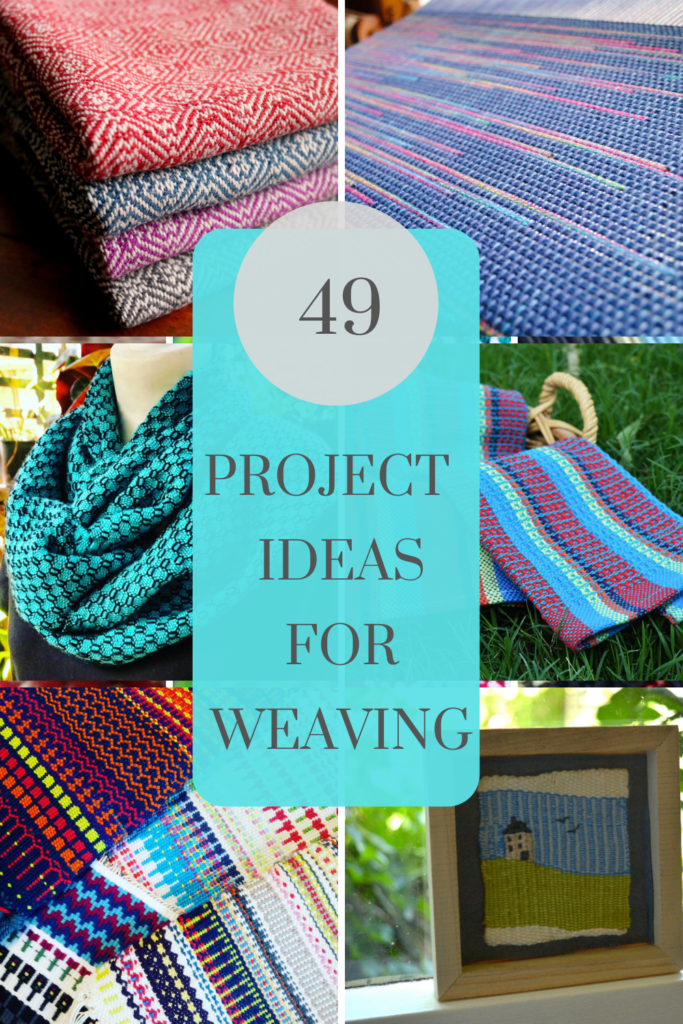
49 Weaving Project Ideas

by Kelly 10 Comments

Feeling a little stuck for ideas for your next weaving project?

The options are almost unlimited, but here are 49 weaving project ideas to get you started!

Whether you’re weaving on a rigid heddle loom, a table loom or a floor loom you are sure to find these weaving project ideas super helpful.

Weave a Scarf

Weaving a scarf is the perfect starting point for the new weaver.

It’s a narrow piece, which makes it easy to tension. It’s a long warp, but not so long as to be likely to cause any real issues. And once you’re done weaving and wet finishing, you have a completed woven piece, ready to wear.

That is so rewarding and empowering to the beginner weaver!

Once you’ve completed your first scarf, you may want to build on that success and hone the skills you learned by weaving another. Great! Another beautiful scarf to wear!

Ready to Move Beyond the Scarf?

What is next? Another scarf? Well, I guess you could either add to your scarf collection or start giving them as gifts. Some weavers will continue weaving scarves until they have so many they’re not sure what to do with them. That could be a time to start selling for some extra income, if that is something you are interested in.

But not everyone wants to continue just weaving scarves for the rest of their weaving lives.

I often see weavers chatting and asking questions online, wondering if there is anything beyond the humble scarf.

Well, rest assured, there are SO many things you can make as a weaver!

You are a Maker Of Cloth!

Once you take up weaving, you become a maker of cloth. In quite a magical way, you are able to produce your own fabric.

You can either choose to weave an item that is basically finished when it comes off the loom, or you can use your hand woven cloth as a stepping stone or starting point for something else.

If you have, or can learn basic sewing skills, you are well on your way to creating unlimited projects with your handwoven fabric.

49 Weaving Project Ideas to Get You Started:

Scarves (obviously! 😉)

Shawls

Bags (totes, handbags, shopping bags, carry bags)

Rugs

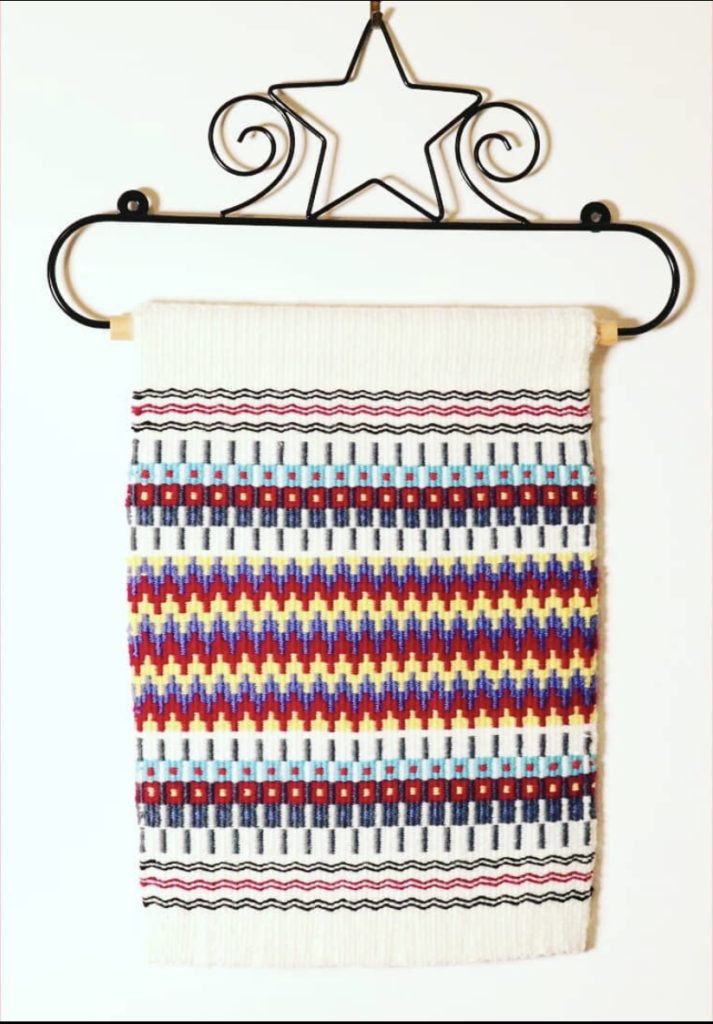
Wallhangings and tapestries

Blankets

Pillows/cushions

Purses/ pouches

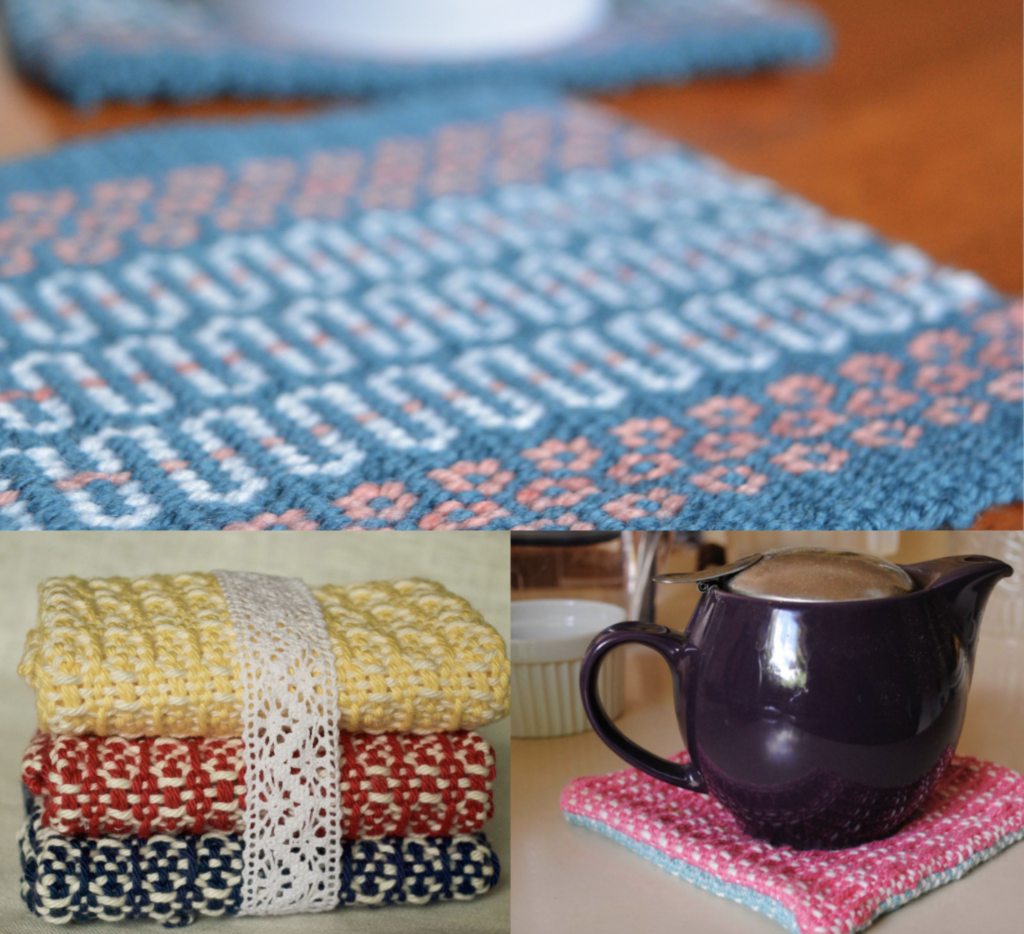
Kitchen, bath and hand towels

Face washers

Apron

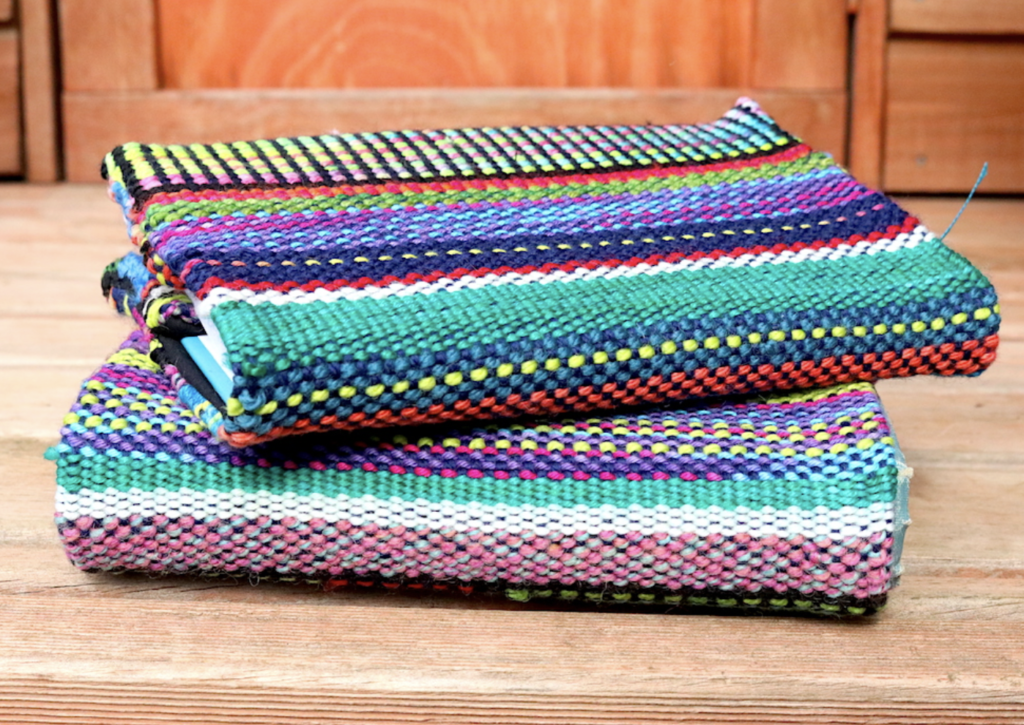
Book covers

The free Stashbuster Notebook Covers class can be found here.

Bookmarks

Kitchen cloths

Soft toys

Ponchos

Jackets

Tops

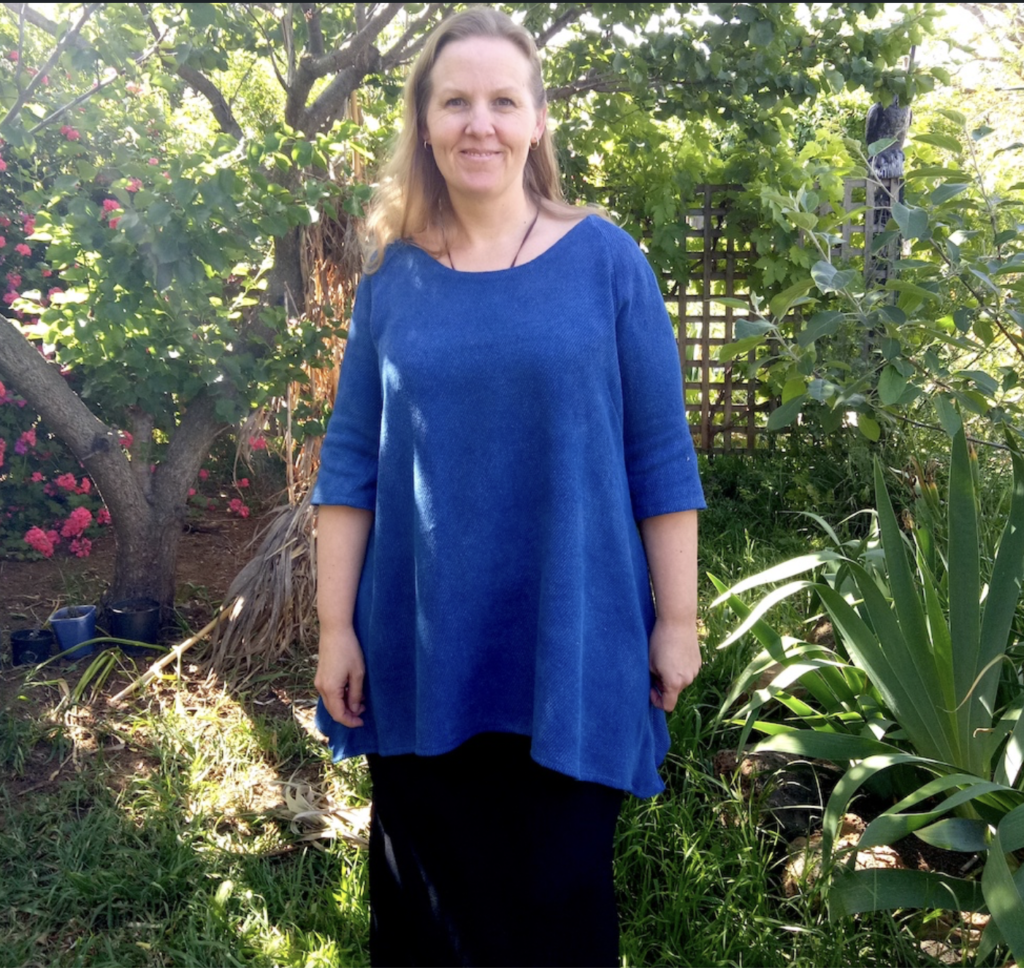
Read about my hand woven tunic project here

Skirts

Dresses

Pants

Coats

Framed art

Lampshade covers

Loom covers/bags

Upholstery fabric for unique furniture pieces

Historical re-enactment costuming

Hats

Jewelery

Wallhanging from the Krokbragd 101 Online Class

Baby wraps, carriers and blankets

Drink coasters or mug rugs

Curtains

Patchwork and quilting projects

Hair accessories/ head wraps

Saddle blankets for horses

Dog beds, coats

Potholders/trivets/oven gloves

Dining table ware – table runners, place mat sets

Bedding – throws, coverlets, pillow covers, blankets, quilts

Well, what do you think, have I convinced you that you can weave more than just scarves with your loom?

If you’re looking for some free projects to get you started, check out my Free Projects list and be sure to subscribe to my Youtube channel for even more ideas and tutorials. My design store contains my original project designs as digital downloads as well as my ebooks.

At the Online Weaving School you will find many classes to choose from, and as most of my lessons are project based, you can often complete a finished woven item.

So, as you can see, the possibilities for woven projects is really unlimited! Please add your own ideas in the comments to share with other readers.

Until next time…

Happy Weaving!
Filed Under: Rigid heddle weaving, Weaving Tagged With: rigid heddle weaving, weaving, weaving projects, whattoweave

Primary Sidebar

About Kelly Casanova

Hand crafted boat shuttles

Categories

Archives

Meta

  • Log in
  • Entries feed
  • Comments feed
  • WordPress.org

Copyright © 2026 Kelly Casanova Weaving Lessons on the Foodie Pro Theme