New Introduction to Floor Loom Weaving course

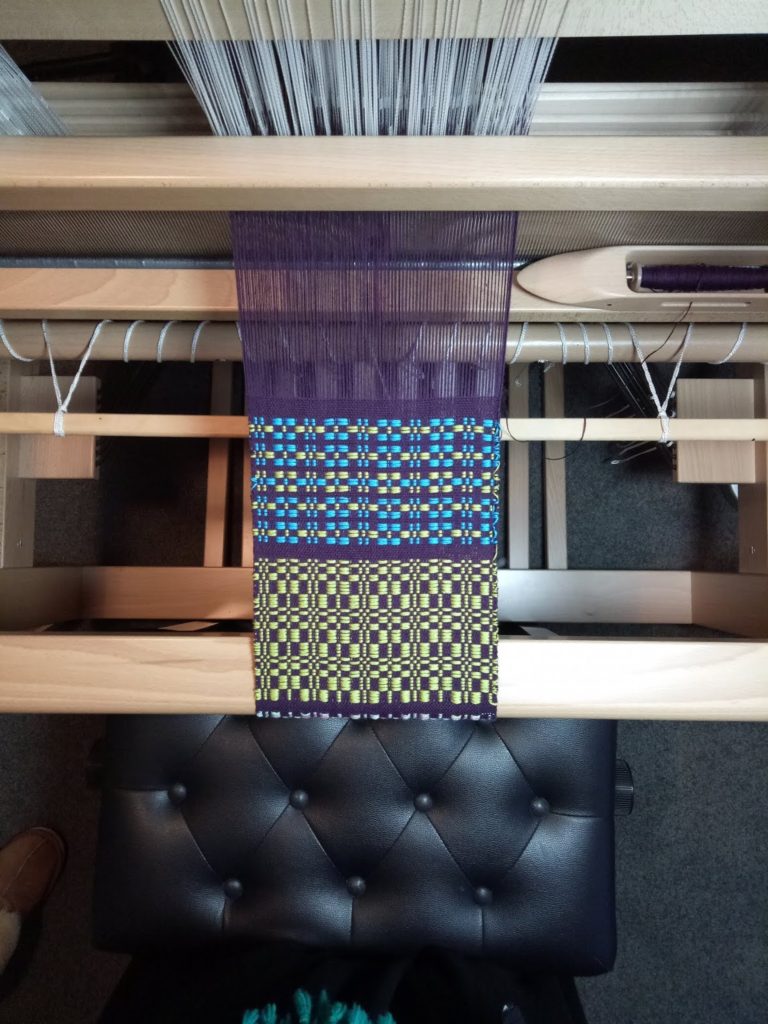
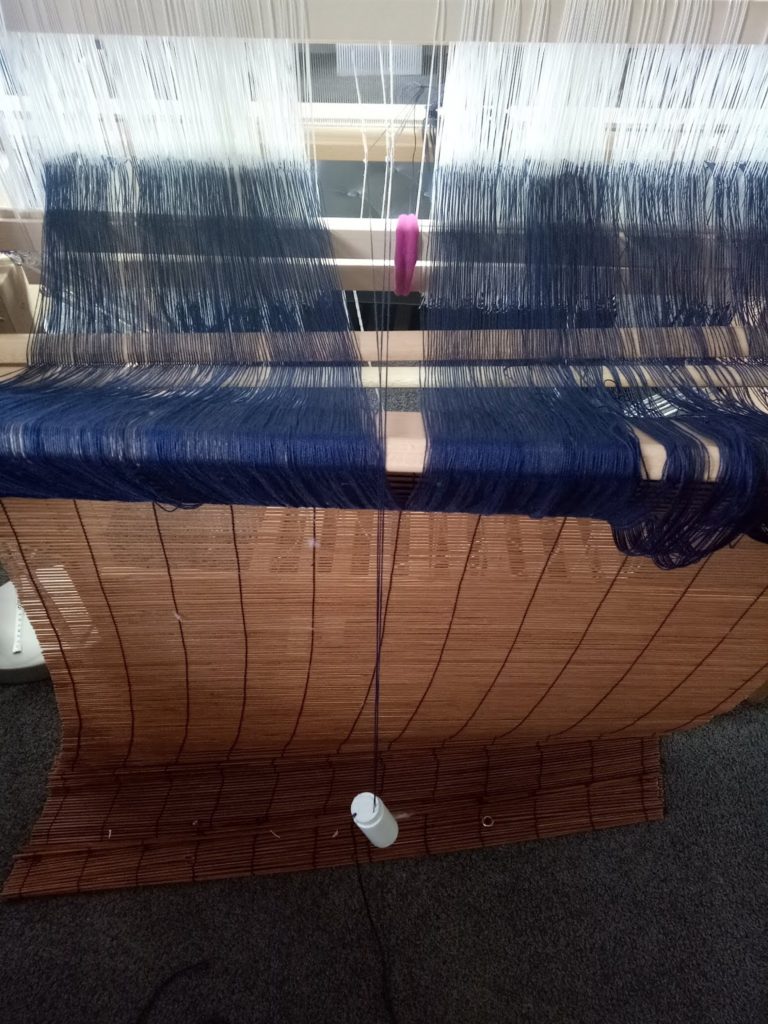
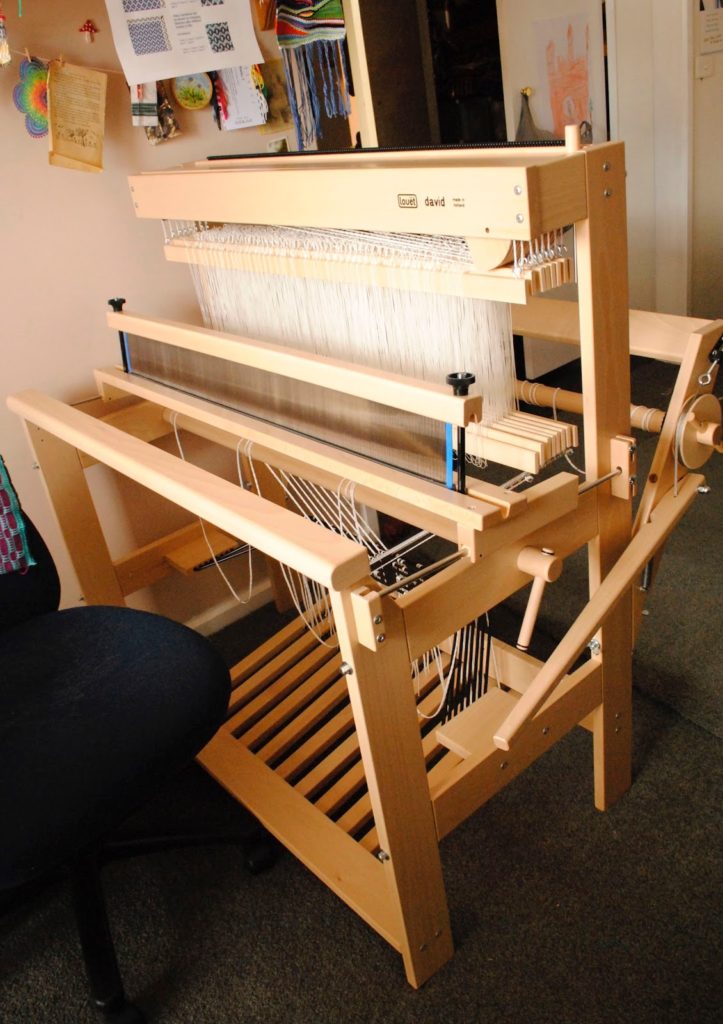
I am so excited to bring you the news that this course is now available! The Introduction to Floor Loom Weaving course is my biggest class yet, with almost 4.5 hours of video instruction plus printable PDFs.


I designed this course for new floor loom weavers, or those who simply want to “make friends” with their loom and gain confidence weaving. 
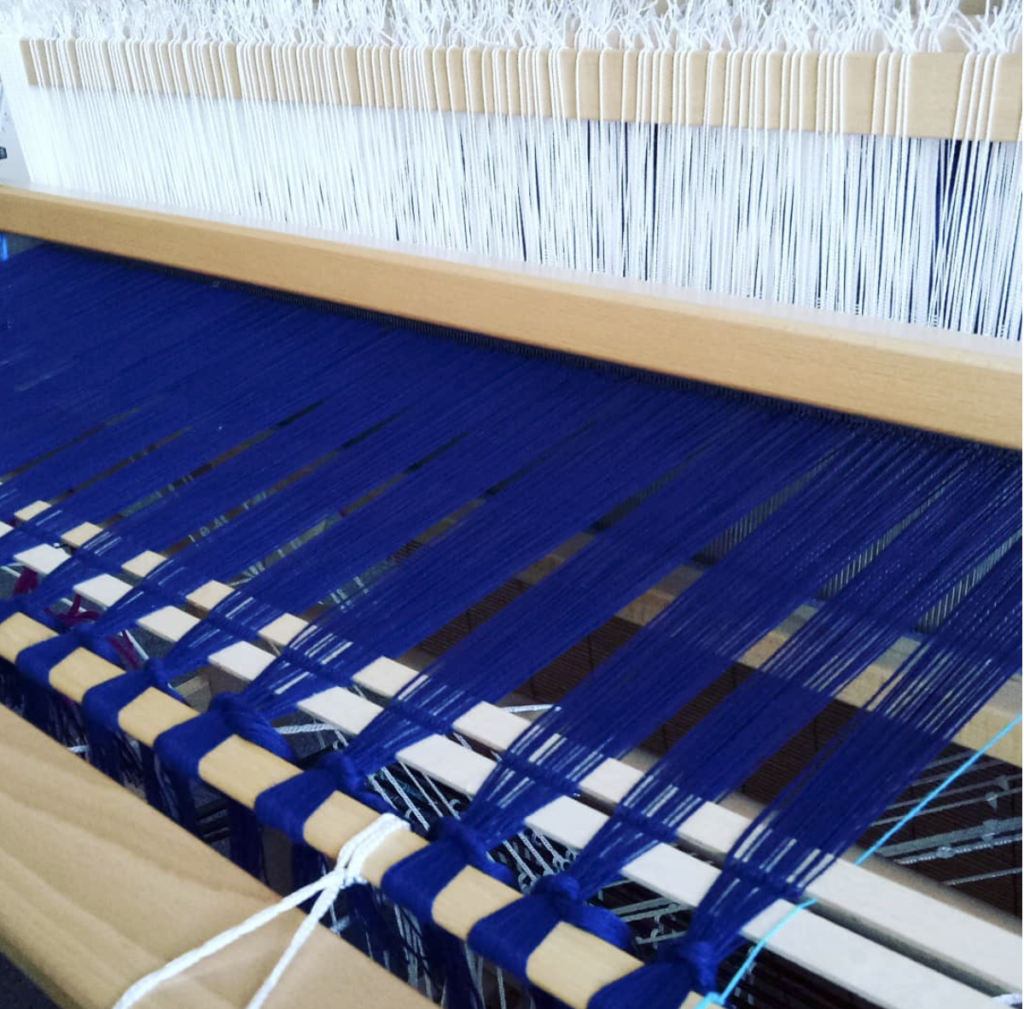
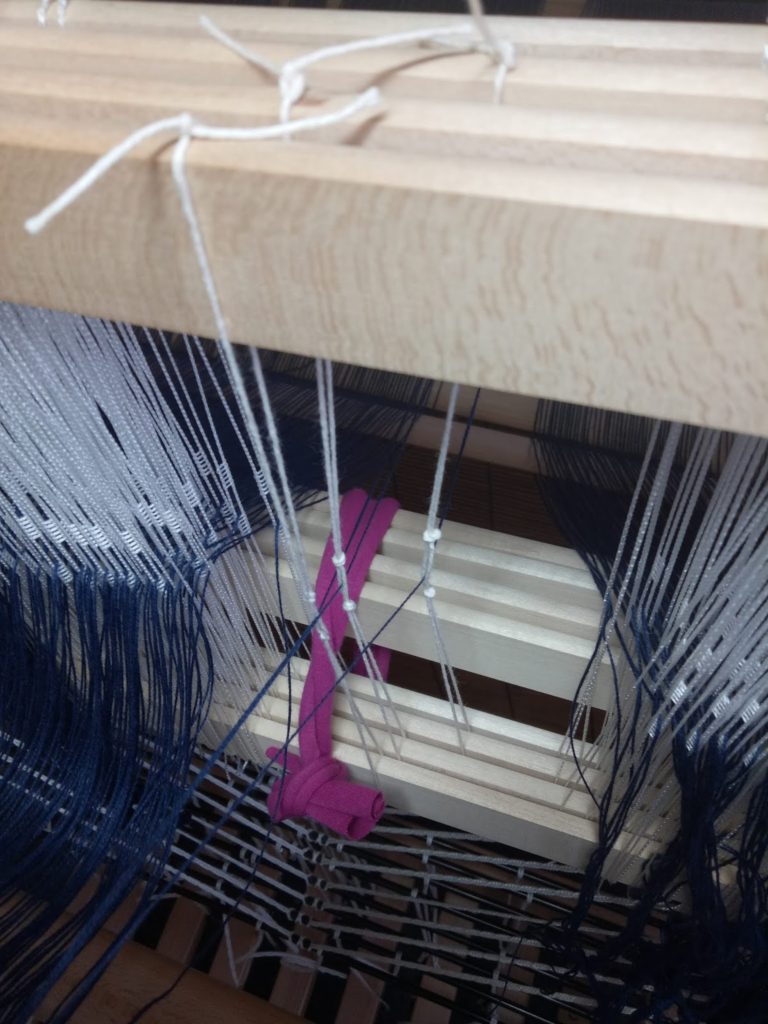
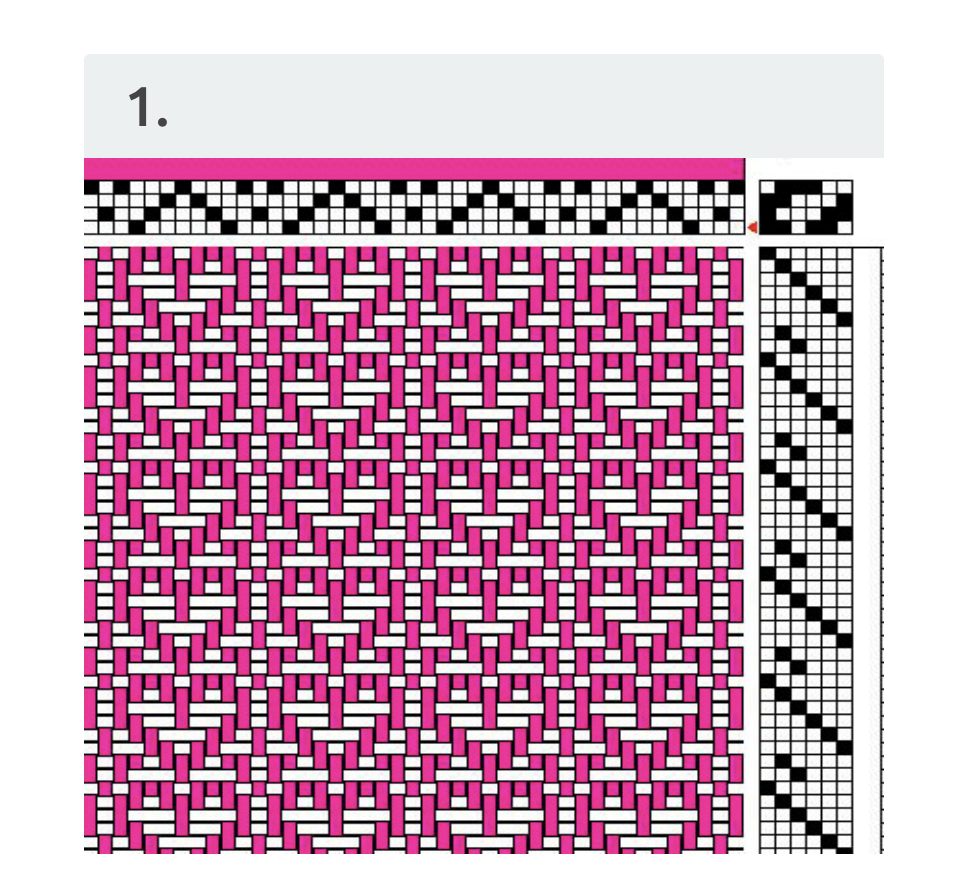
The topic list is huge, but includes loom anatomy, calculations, reading drafts, warping, dressing the loom, the mechanics of weaving, and much more! 


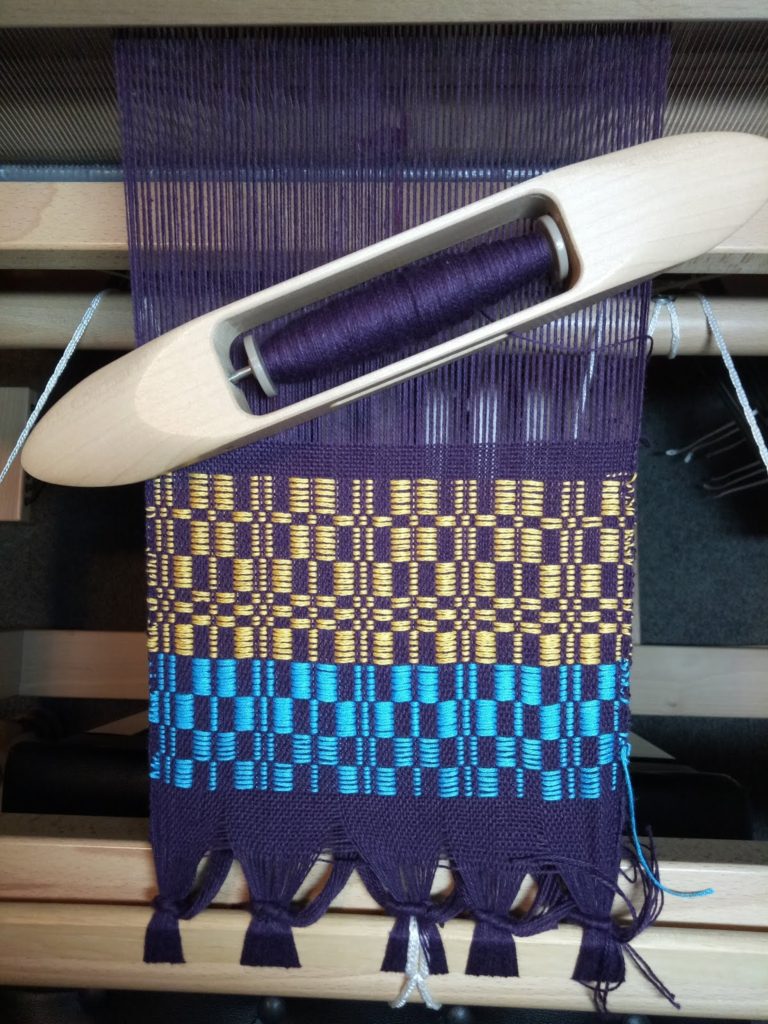
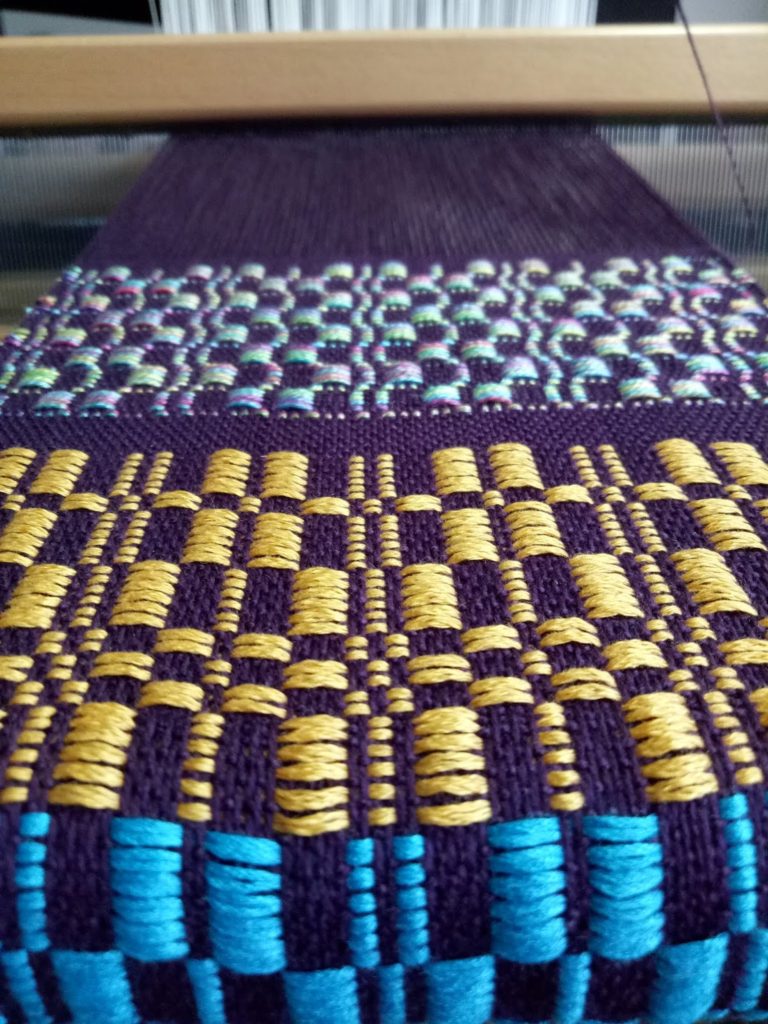
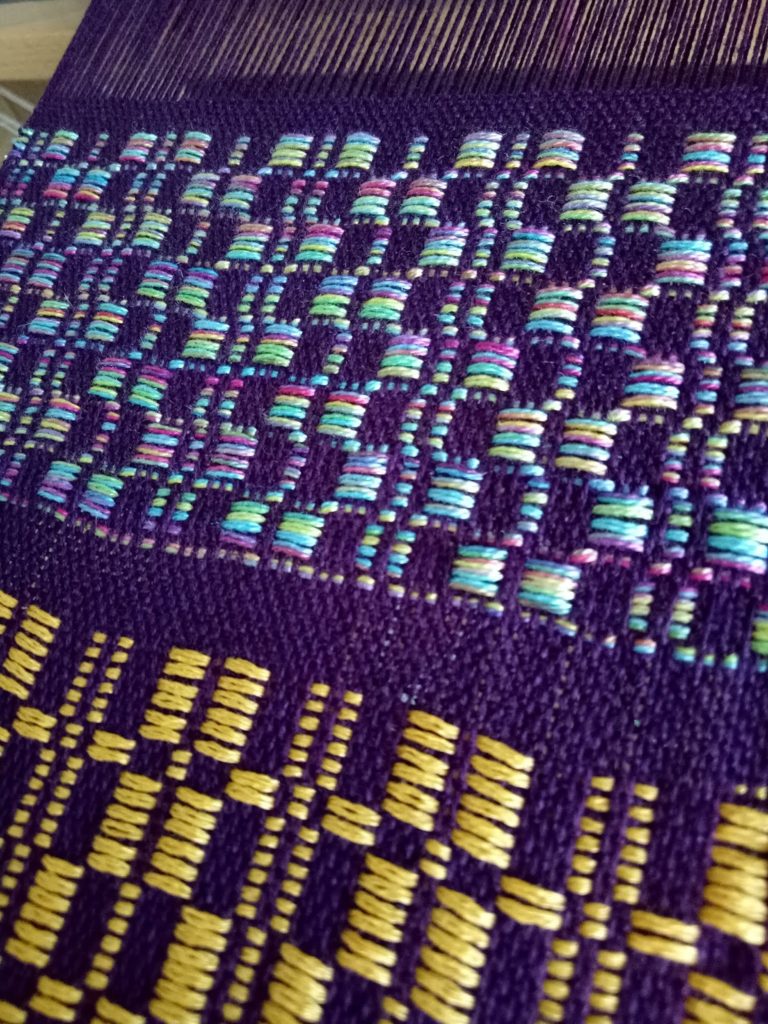
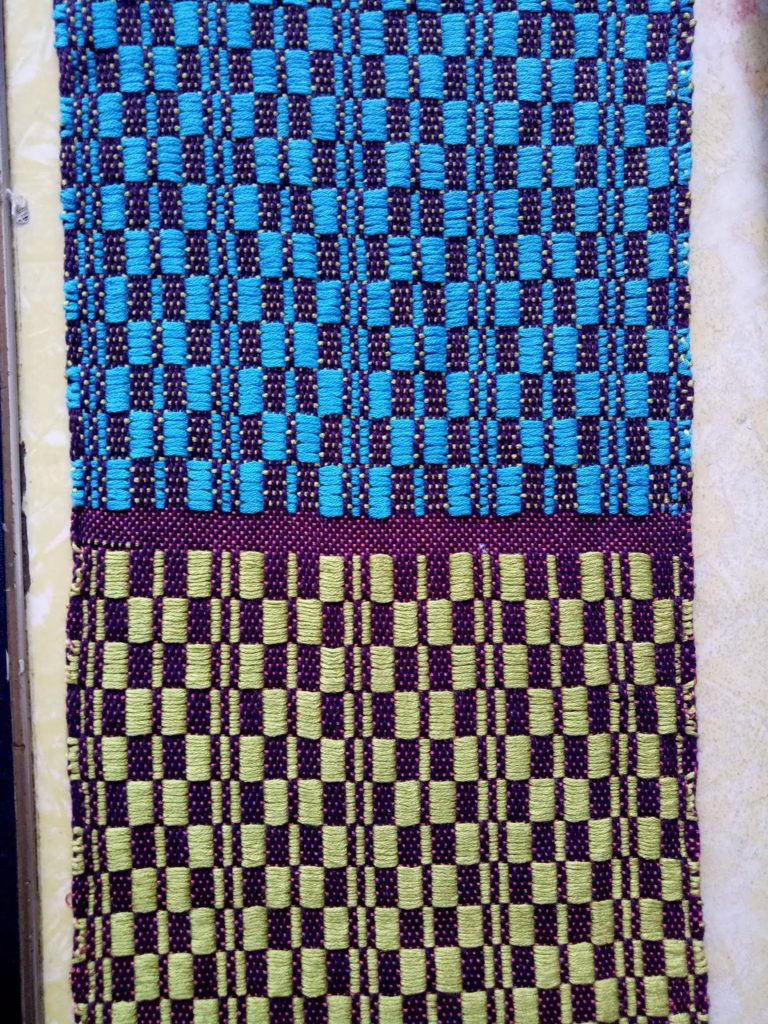
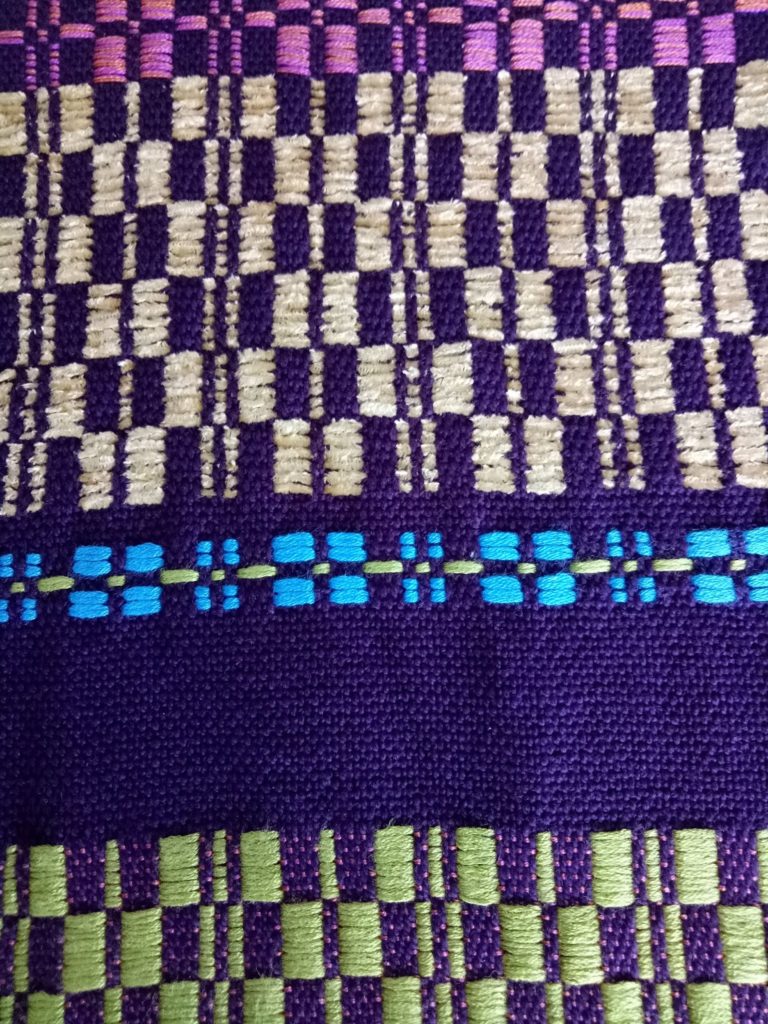
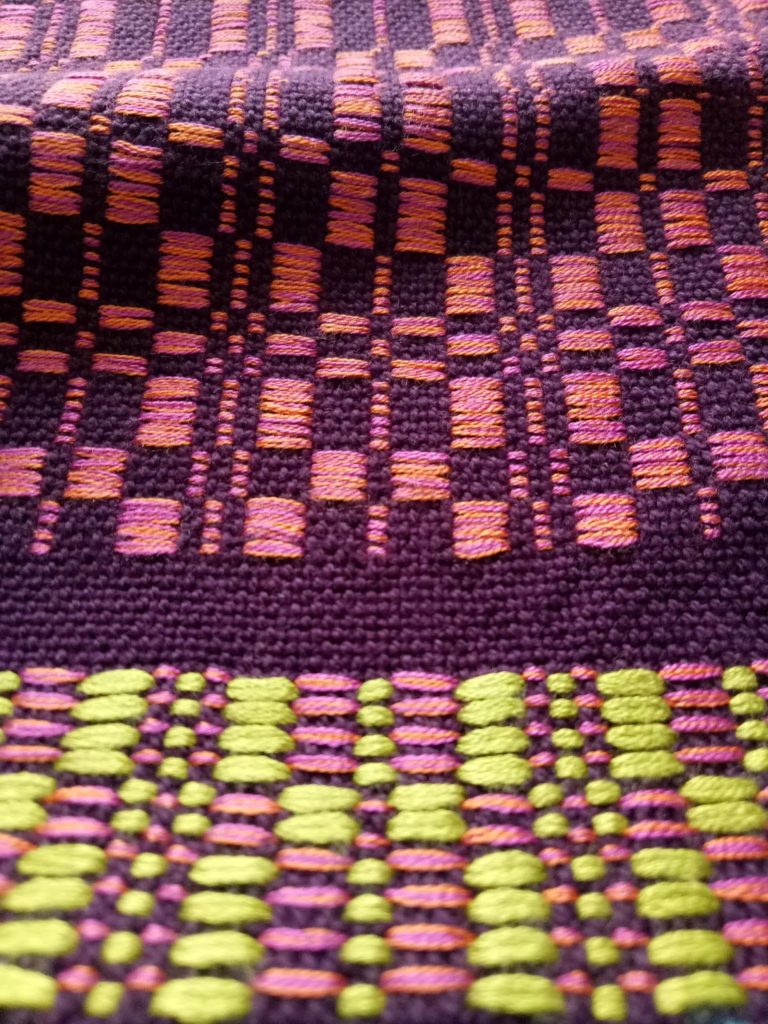
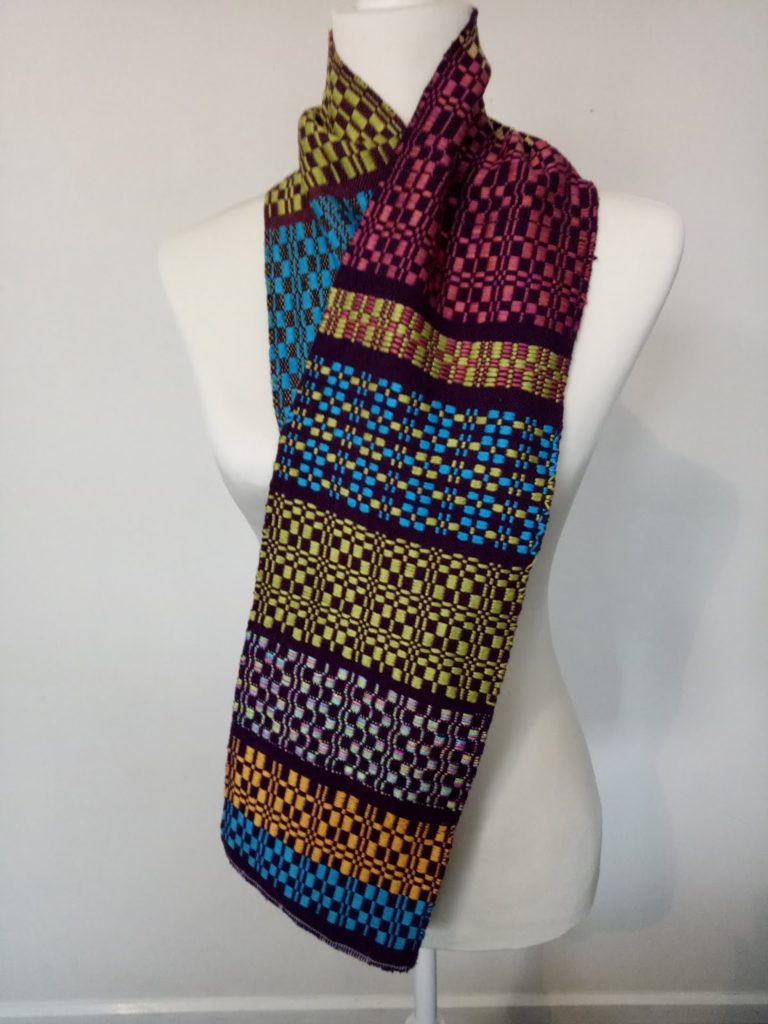
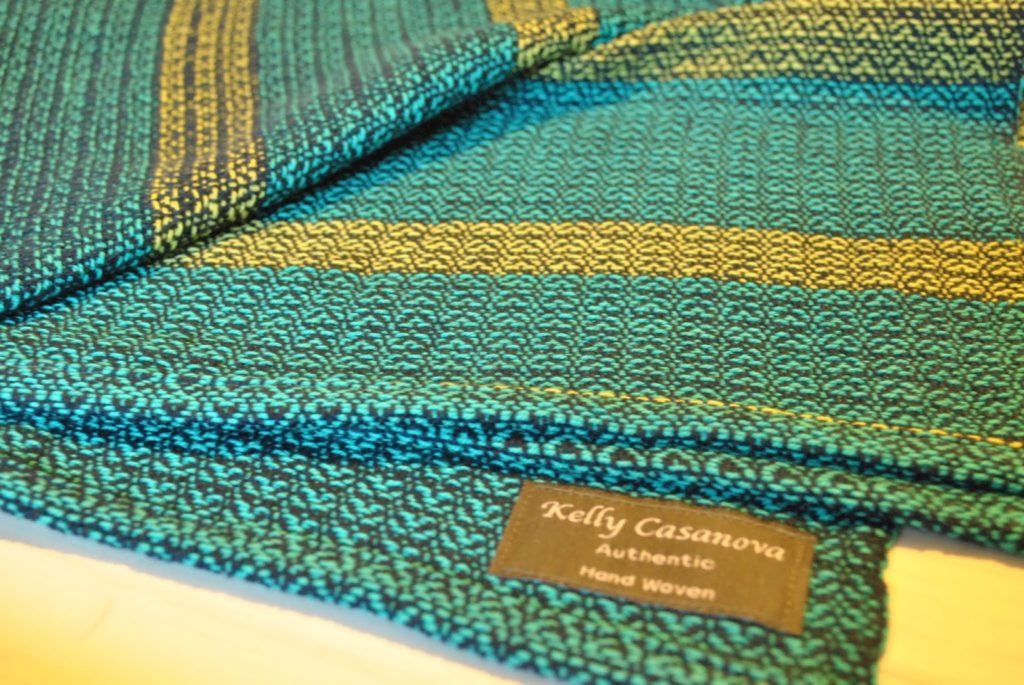
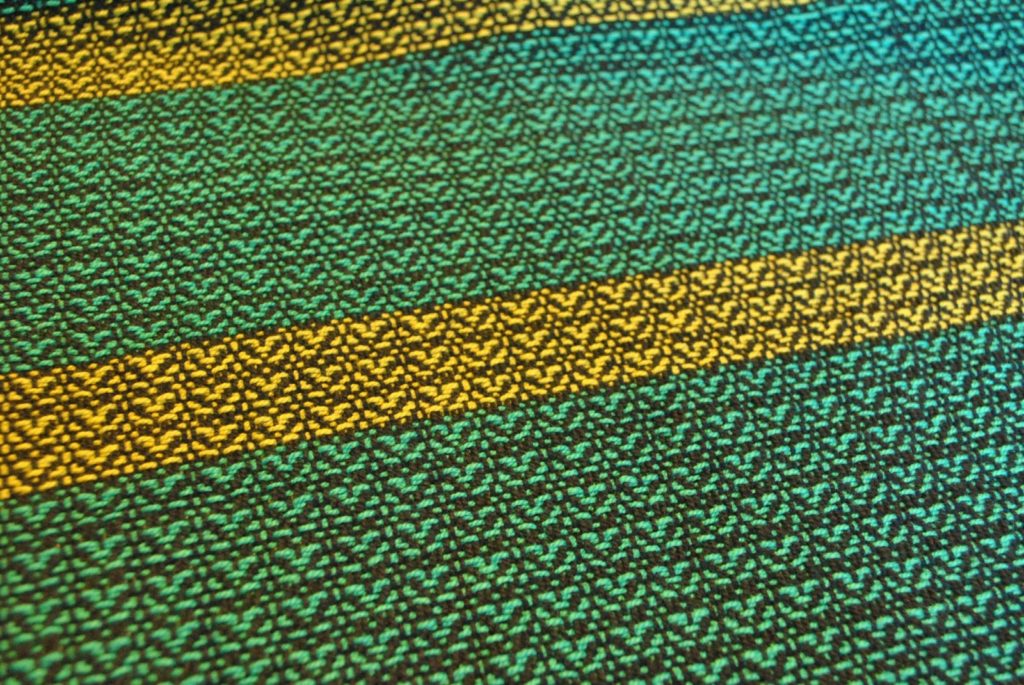
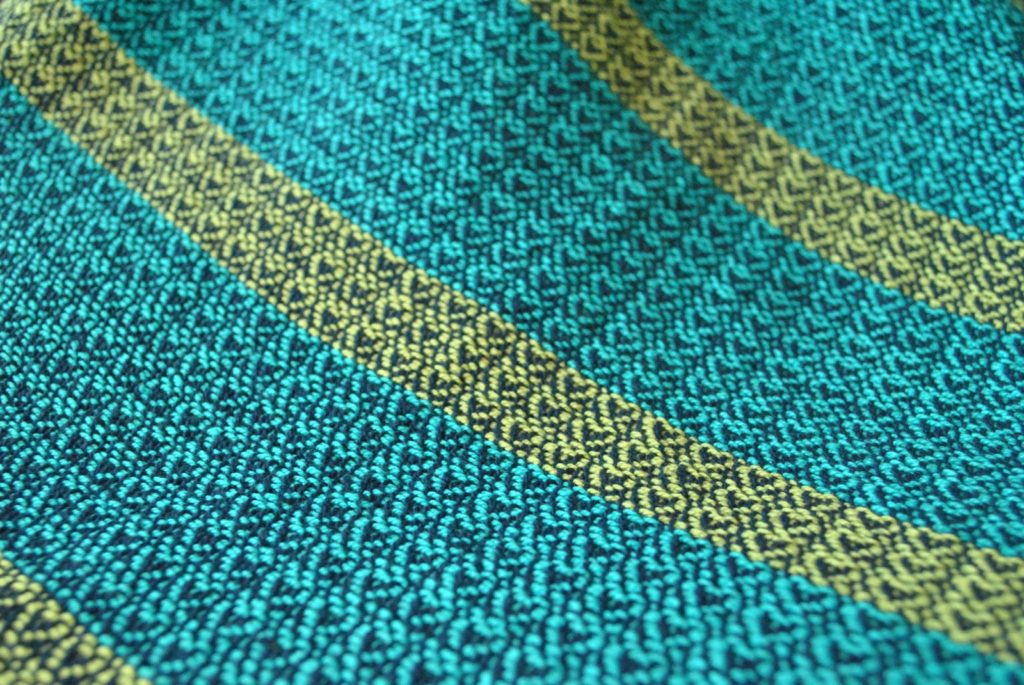
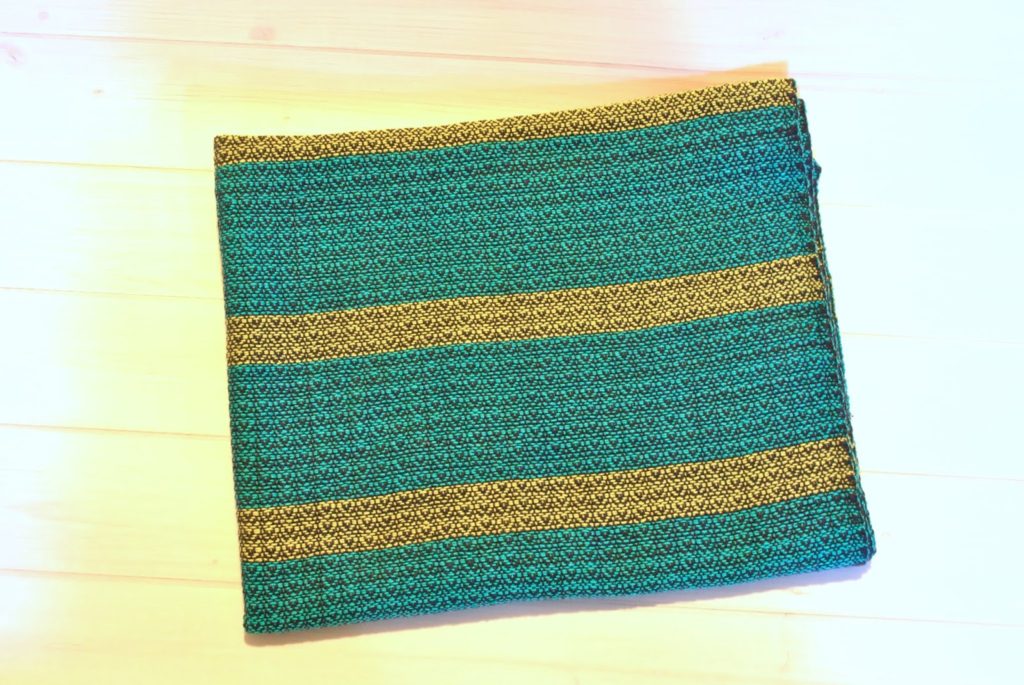
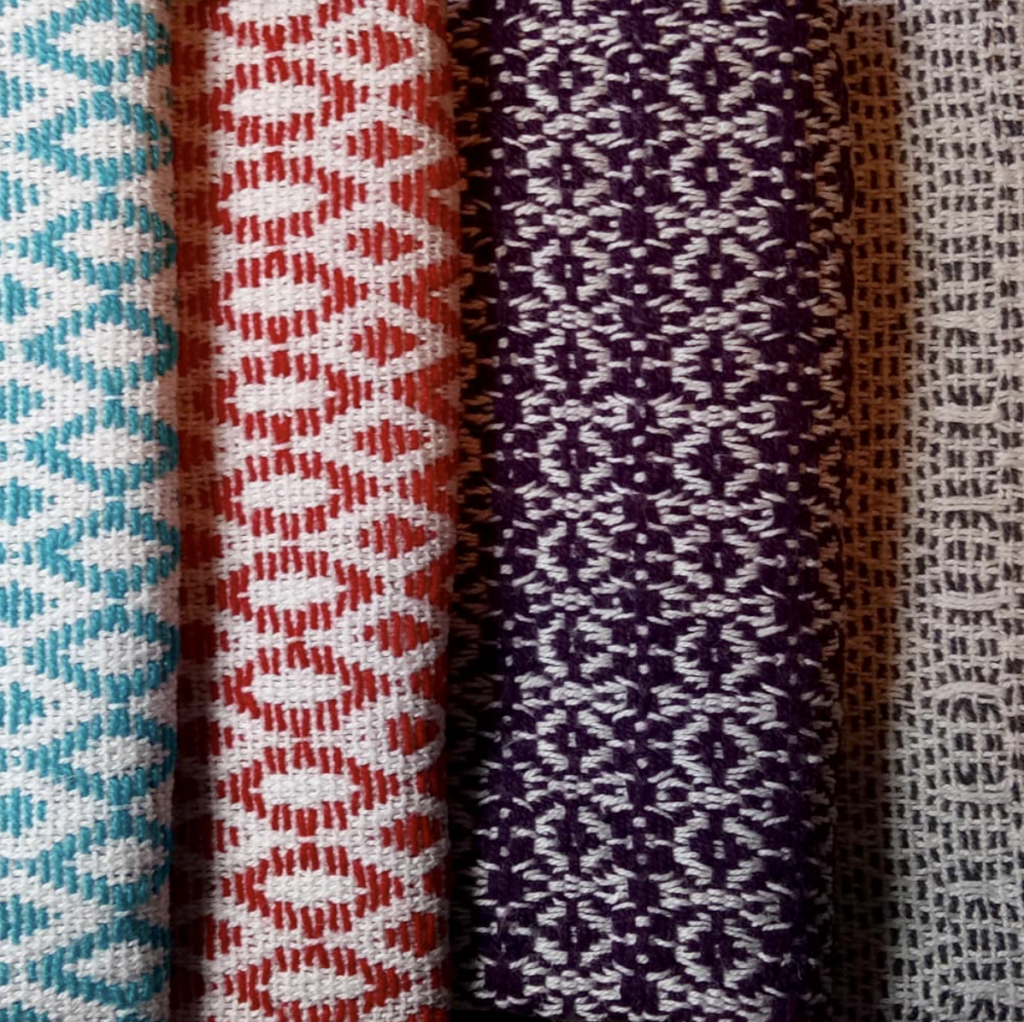
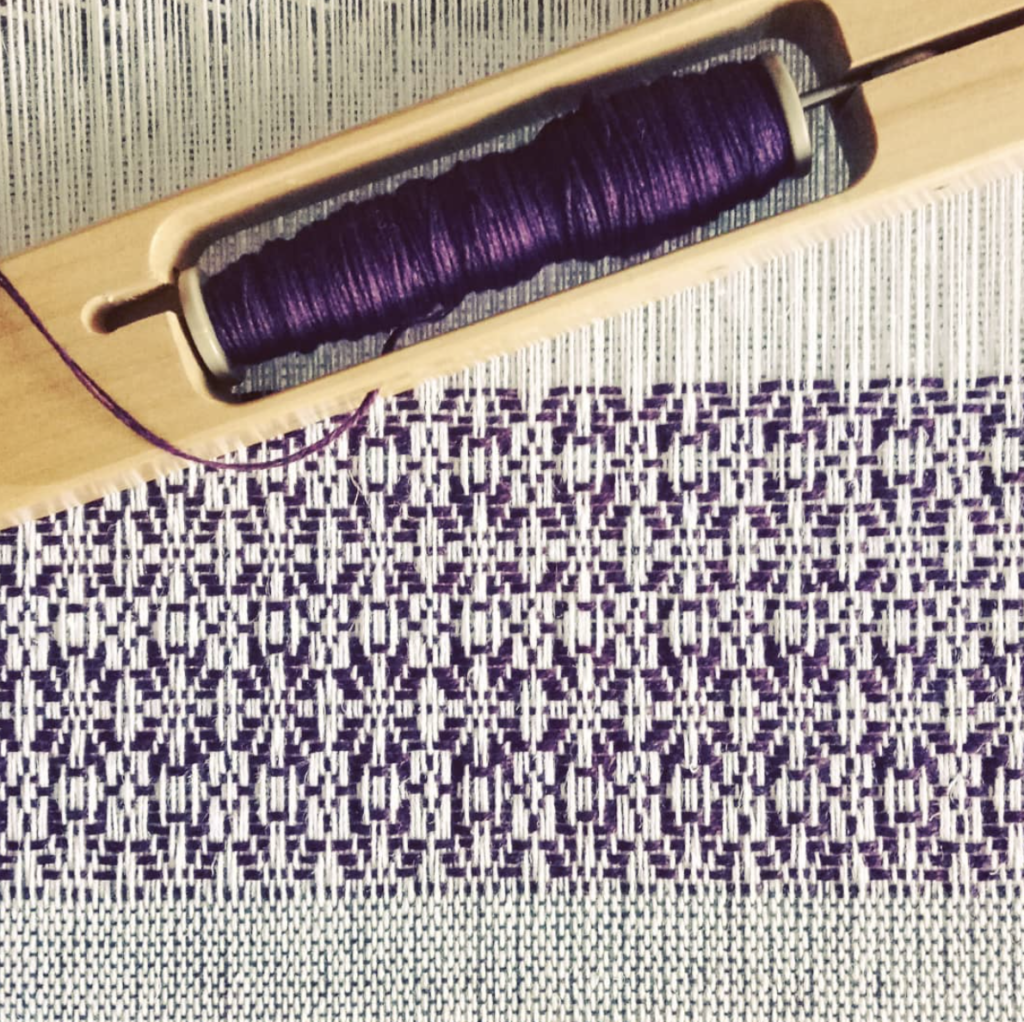
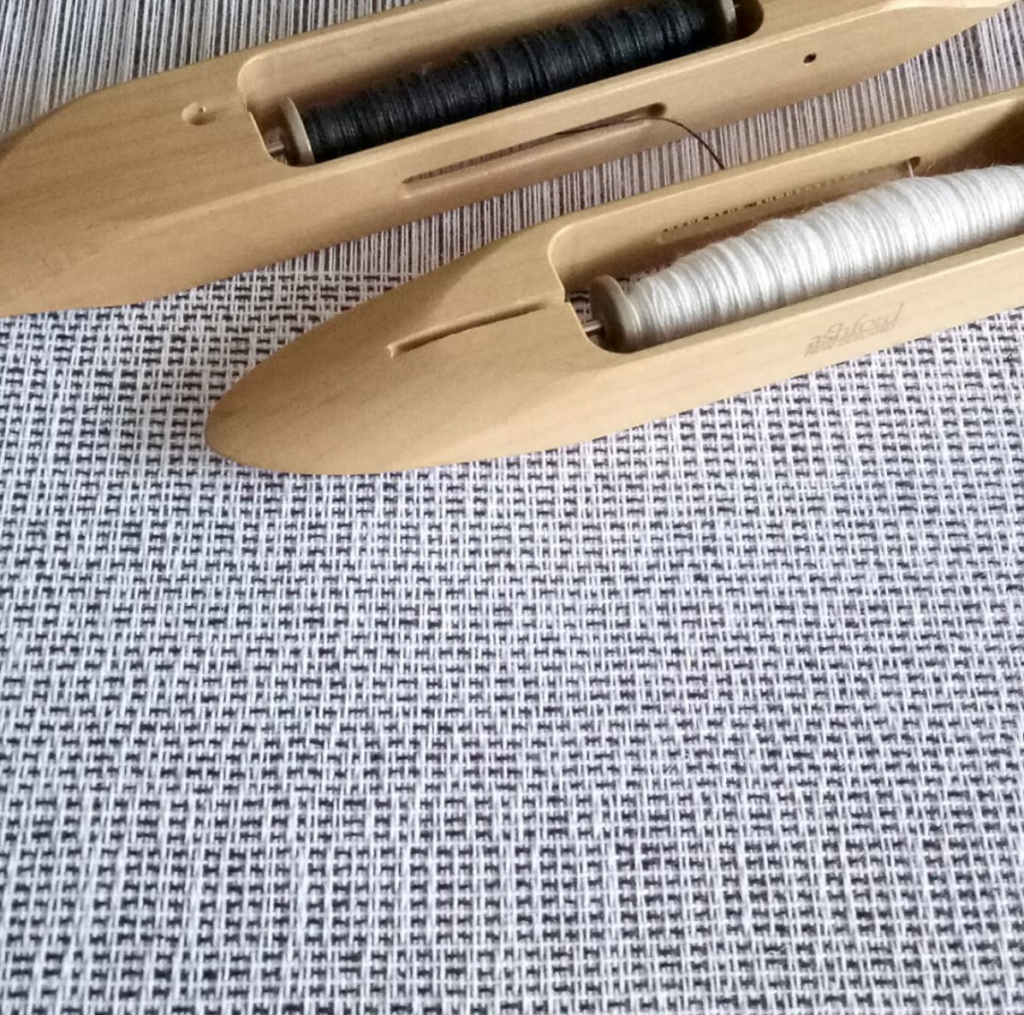
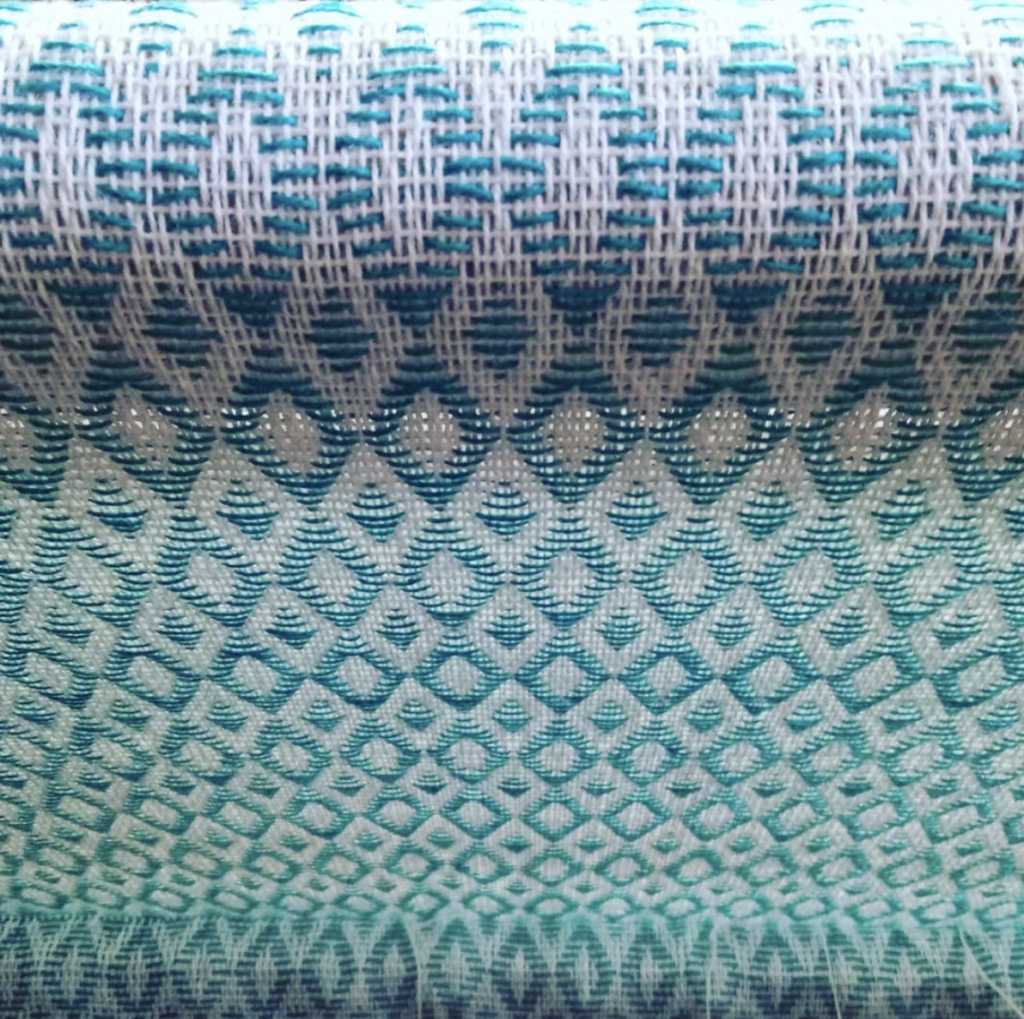
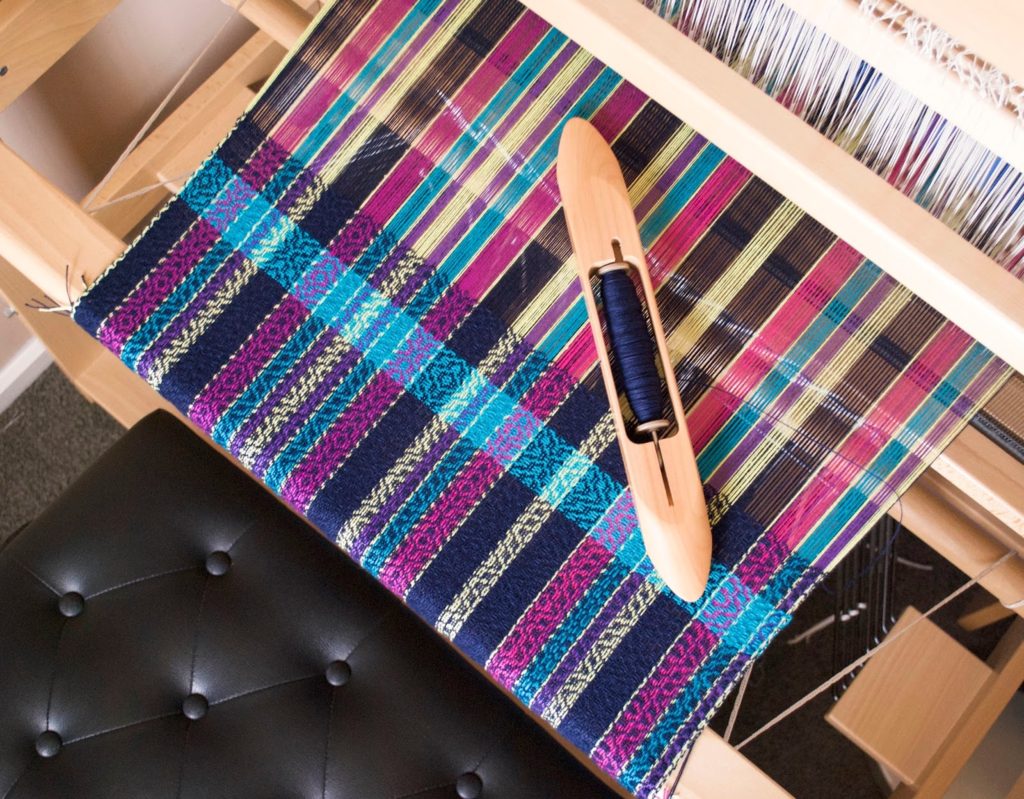
The course is project based so participants will end up with a beautiful 3 shaft double cowl scarf. 

I hope to make follow up classes to take students through 4 and 8 shaft projects in the near future.

If you’re interested in this course, visit my Online Weaving School, where you can watch a preview for the class. It is available as a single purchase, or, if you are a subscriber, this course is included in your subscription, simply login to view.

Happy Weaving!

Get Started With Krokbragd Weaving

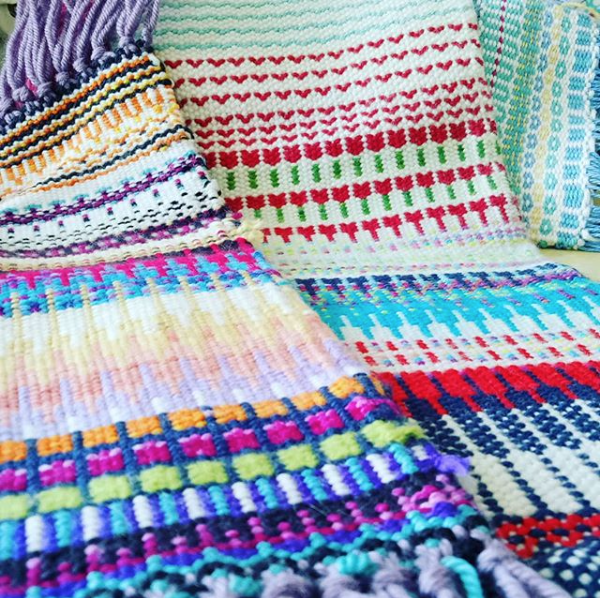
Krokbragd weaving has captivated my heart and mind ever since I first laid eyes on it. With bold patterns, vibrant colourwork, and centuries of Scandinavian heritage, this weave structure is as beautiful as it is addictive.

Today I want to help you to get started with krokbragd weaving!

What is Krokbragd Weaving?

So, what exactly is krokbragd? How do you pronounce it? And how can you start weaving krokbragd yourself—even on a rigid heddle loom?

Let’s explore the magic of krokbragd together!


 How Do You Pronounce “Krokbragd”?

There are a few different ways people say “krokbragd”—and all of them are close enough! Krokbragd translates roughly to “crooked path”.
Common pronunciations include:

  • “croak-brod”

  • “croak-brog”

  • “crok-brag”

The name comes from Norwegian, and while exact pronunciation may vary, we can all agree that this is a truly captivating weave structure.

 What is Krokbragd Weaving?

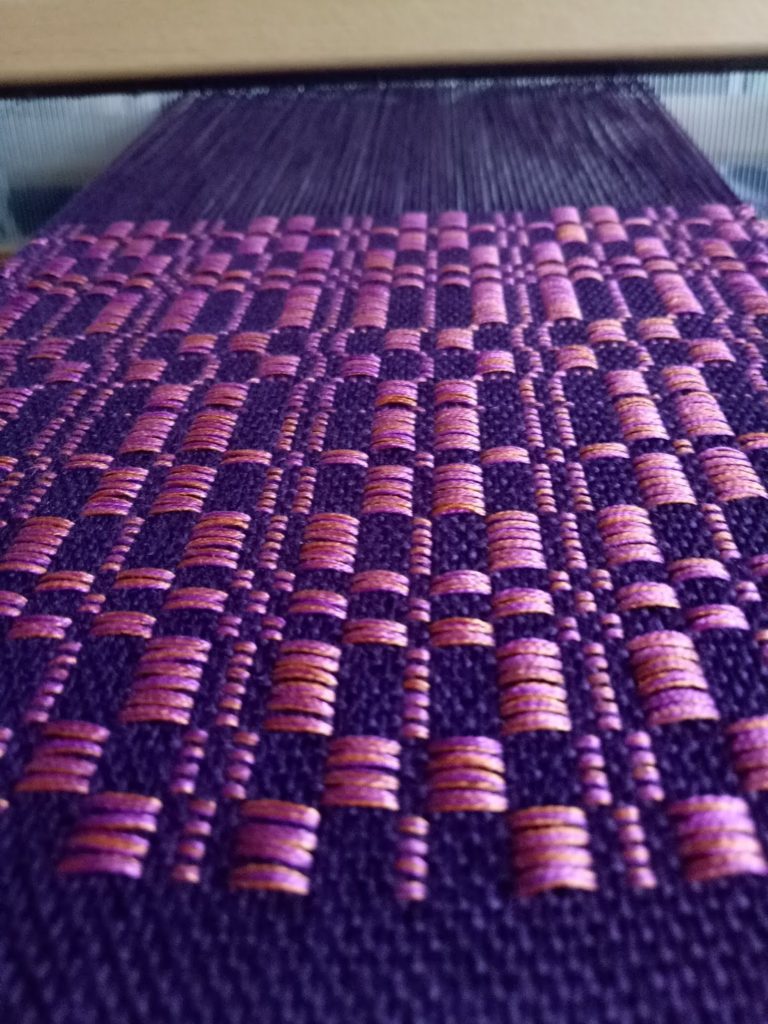
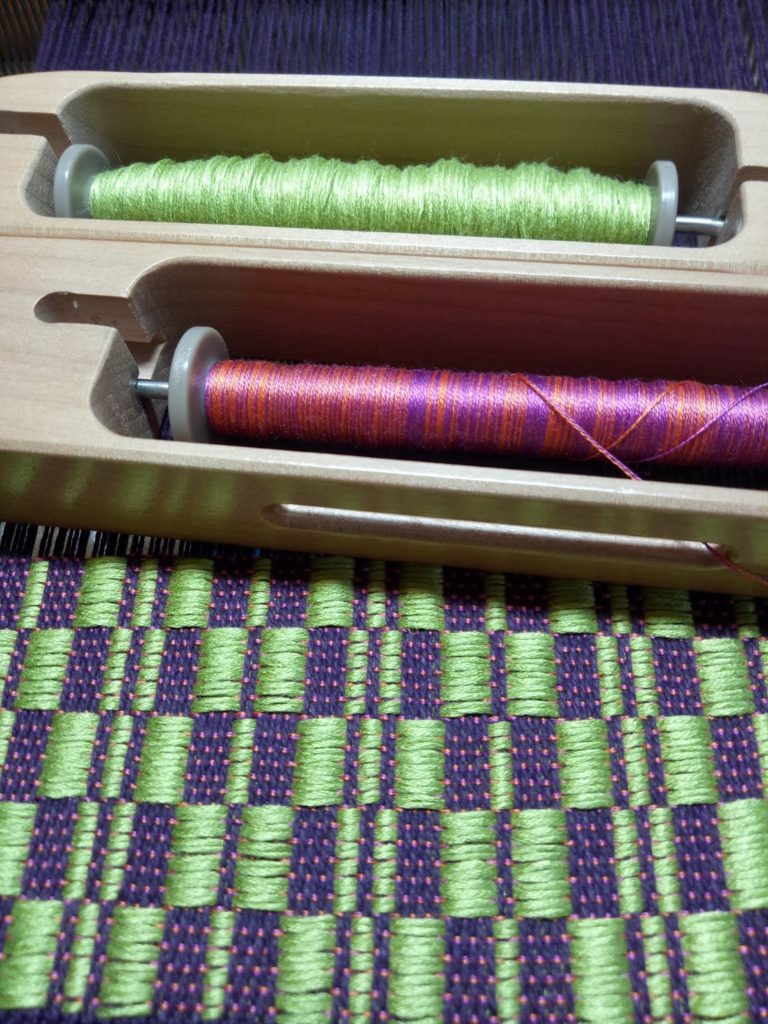
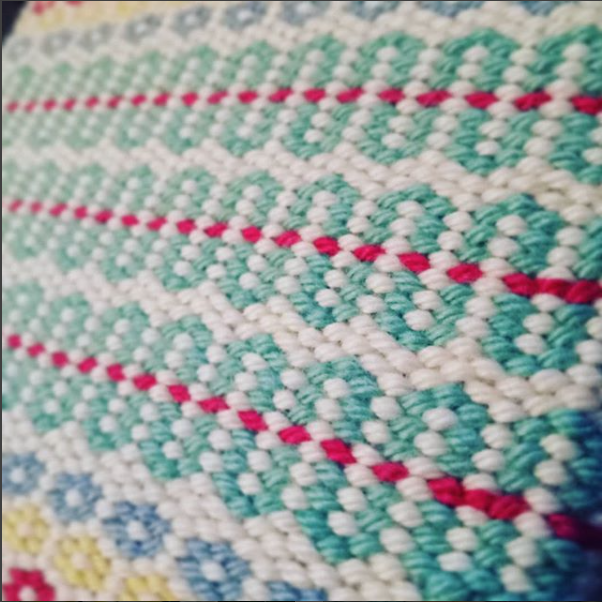
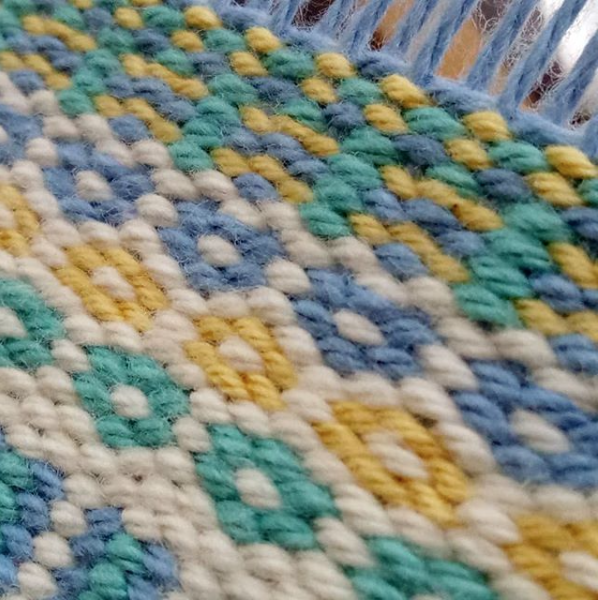
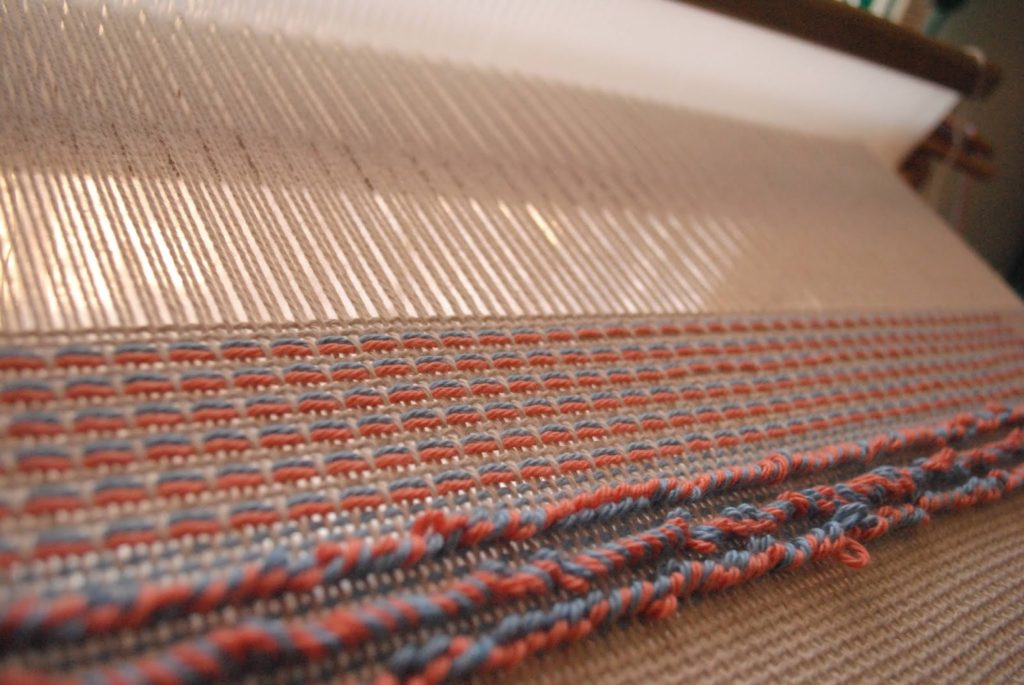
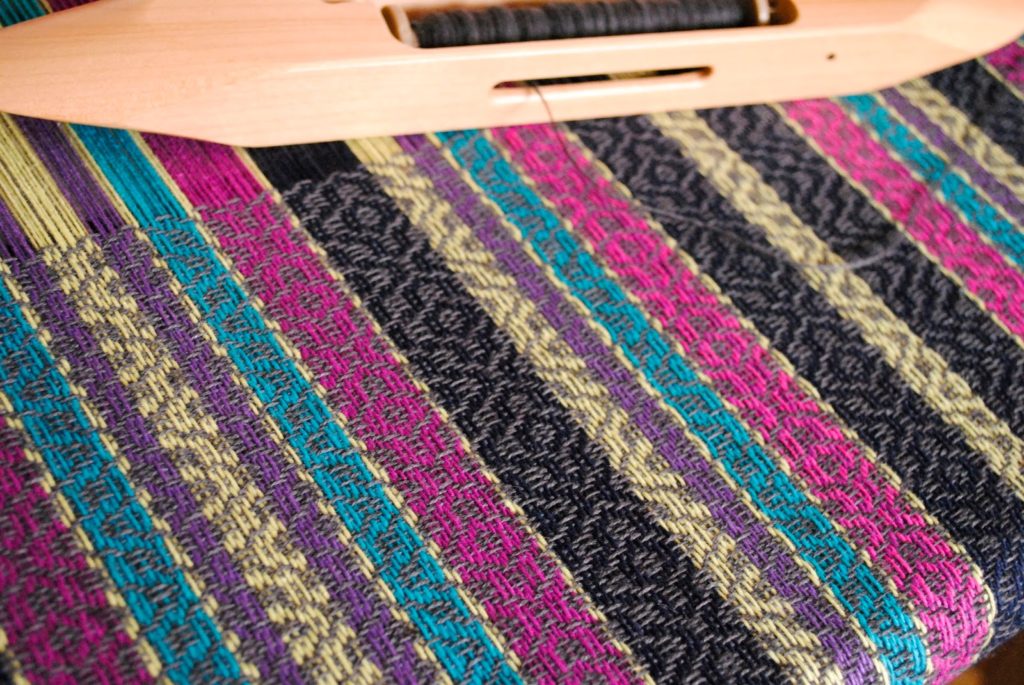
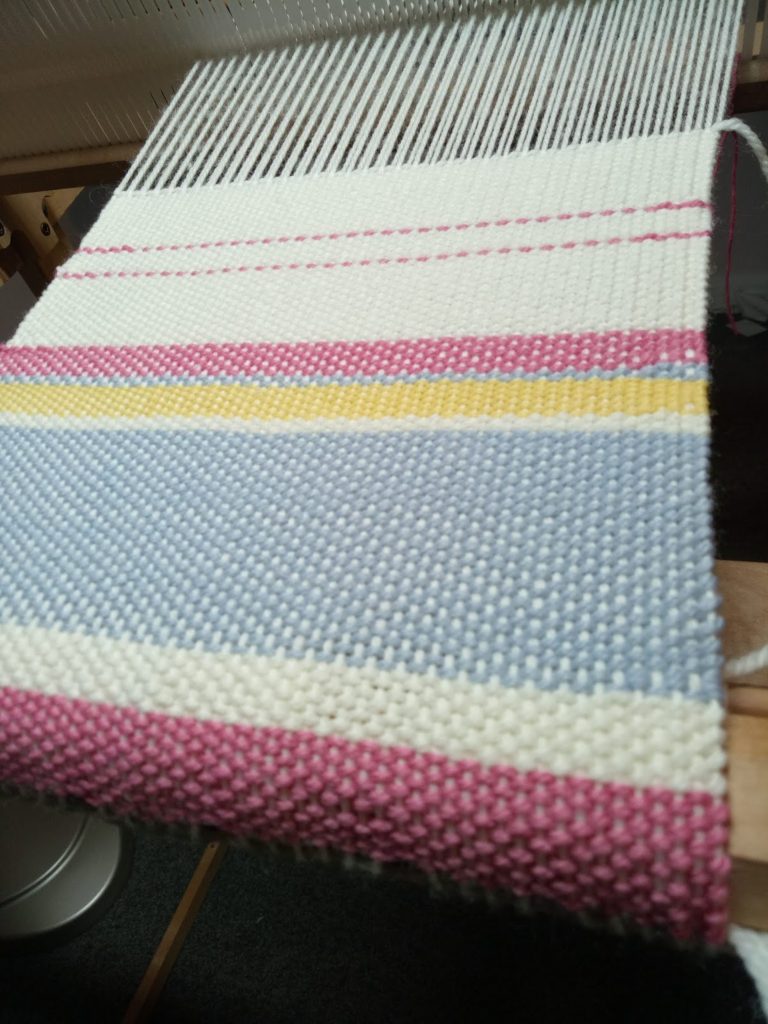
Krokbragd is a traditional Scandinavian weave structure, often associated with Norway. It’s a type of weft-faced twill, meaning the weft yarns cover most of the warp, resulting in a dense, colourful fabric.

It’s usually woven on three shafts, which makes it ideal for creating bold geometric patterns and artistic motifs. It can also be woven on more shafts to increase patterning possibilities. Debby Greenlaw gives some beautiful examples in her Krokbragd Weaving book.

Although typically done on a shaft loom, you can absolutely weave krokbragd on a rigid heddle loom—with a few clever adaptations.

What Makes Krokbragd Special?

  • Three-pick sequence: The weaving sequence is simple and consistent—just three picks (rows), repeated throughout. The magic comes from changing weft colours to create the pattern.
  • Dense and durable: Because it’s packed down tightly, krokbragd creates a thick, heavy cloth—perfect for rugs, bags, cushions, or wall hangings.

  • Rich tradition: Historically, krokbragd was used in travel cushions, bed coverings, and door tapestries to provide warmth and decoration in Scandinavian homes.

  • Creative potential: Once you understand the basics, you’ll find krokbragd to be incredibly versatile. The pattern possibilities are truly endless!

Can I Weave Krokbragd on a Rigid Heddle Loom?

Yes, absolutely! While krokbragd is traditionally a 3-shaft structure, there are several ways to adapt it to a rigid heddle loom. Many weavers use:

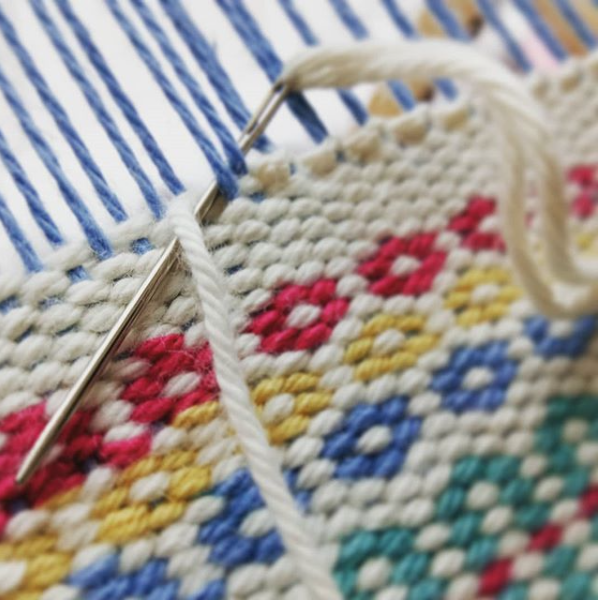
If you’re just getting started, I recommend trying the pickup stick and heddle rod method—it’s accessible and doesn’t require extra equipment. It’s also fairly simple to learn because you thread your rigid heddle loom for plain weave, then do some simple pick up.
Can I Weave Krokbragd on an Inkle Loom?

You sure can! Weaving krokbragd on an inkle loom is slightly different because inkle looms produce WARP faced bands. Usually krokbragd is WEFT faced. Therefore, we turn the draft (known as “turned krokbragd”) to use it in inkle weaving.

You can learn all about this wonderful method and weave some stunning bands in the Krokbragd on an Inkle Loom Online Course.

Free Krokbragd Tutorials for Rigid Heddle Loom

If you’re as fascinated by this weave structure as I am, check out my free krokbragd tutorials on YouTube. These beginner-friendly videos walk you through the basics and beyond:

👉 Watch the Free Krokbragd Video Series

One of my favourite projects is weaving tulips in krokbragd—a joyful way to combine structure with artistic expression!

Want to Learn Krokbragd Step-by-Step?

I’ve created a detailed, step-by-step course for weavers who want to master krokbragd on a rigid heddle loom. 
🧵 Krokbragd 101: Learn to Weave Krokbragd with Confidence

Whether you’re brand new to pattern weaving or ready to deepen your skills, this course will guide you from setup to finishing. It also includes my “secret sauce” of yarn combinations for what I consider krokbragd perfection!

*This post contains affiliate links. For further information, please see my disclosure policy.

Helpful Krokbragd Resources

Here are some of my favourite books, classes, and guides to help you explore krokbragd weaving further:

You can learn all about weaving krokbragd on a rigid heddle loom by checking out my free Youtube playlist of tutorials:

Krokbragd weaving is rich with tradition and full of creative possibilities. Whether you’re drawn to its bold patterns or its cosy textures, krokbragd is a technique worth exploring and remains one of my firm favourites ❤️

If you’re ready to dive deeper, be sure to check out my tutorials and courses to get started today.

Have you tried krokbragd weaving yet? Or perhaps this article inspires you to give it a try? Let me know in the comments below ⬇️

 Until next time…
                                                                              Happy Weaving!

DIY natural hand softener

Do you ever have problems with dry hands that become rough?

Gardeners are very familiar with this issue, but it can also happen if you frequently use soap for hand washing or are often in a heated environment.

 
 If you work with your hands, dry skin can be frustrating – you will have threads catching on rough skin and if it gets bad enough it may become painful to use and wash your hands – not nice!
 
*This post contains affiliate links. For further information, please see my disclosure policy.


So today I am sharing with you an old embroiderer’s trick to smooth and silky hands in no time, using  natural ingredients that most of you should have in your pantry. And, it really works!
 
 
2 tablespoons olive oil
Yep, that’s it!
 
If you want to really treat yourself, you could add a drop or two of essential oil. I use oils from Eco Modern Essentials and my personal favourites to use are lavender, peppermint or rose.
 
 
Mush the two ingredients together in a bowl until it comes together.  Now, with both hands, rub the mixture all over the fronts and backs of your hands. There is not set time for the rubbing, but if you do it too long it may over exfoliate and start to hurt – less is probably more!
 
 
Wash your hands in warm water (you may need just a little soap or wipe on a paper towel or similar to help dissolve the excess oil). Pat your hands dry with a nice soft towel.
 
Follow up with a moisturiser if you wish, though I don’t find it necessary. Enjoy your soft and silky hands!
 
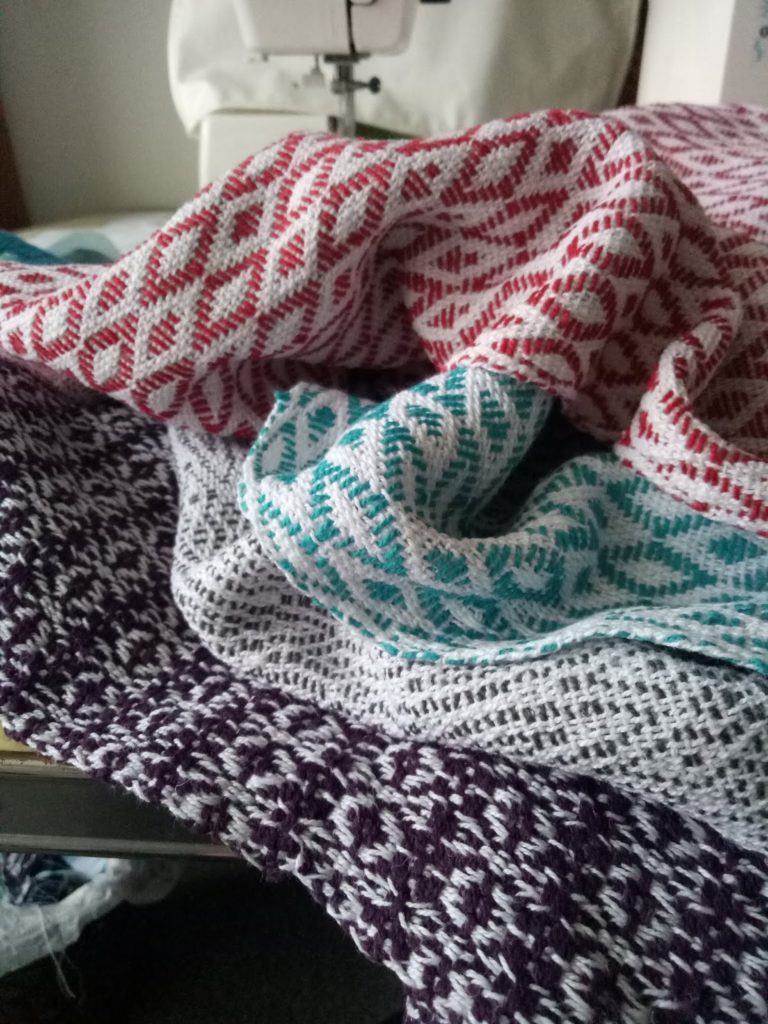
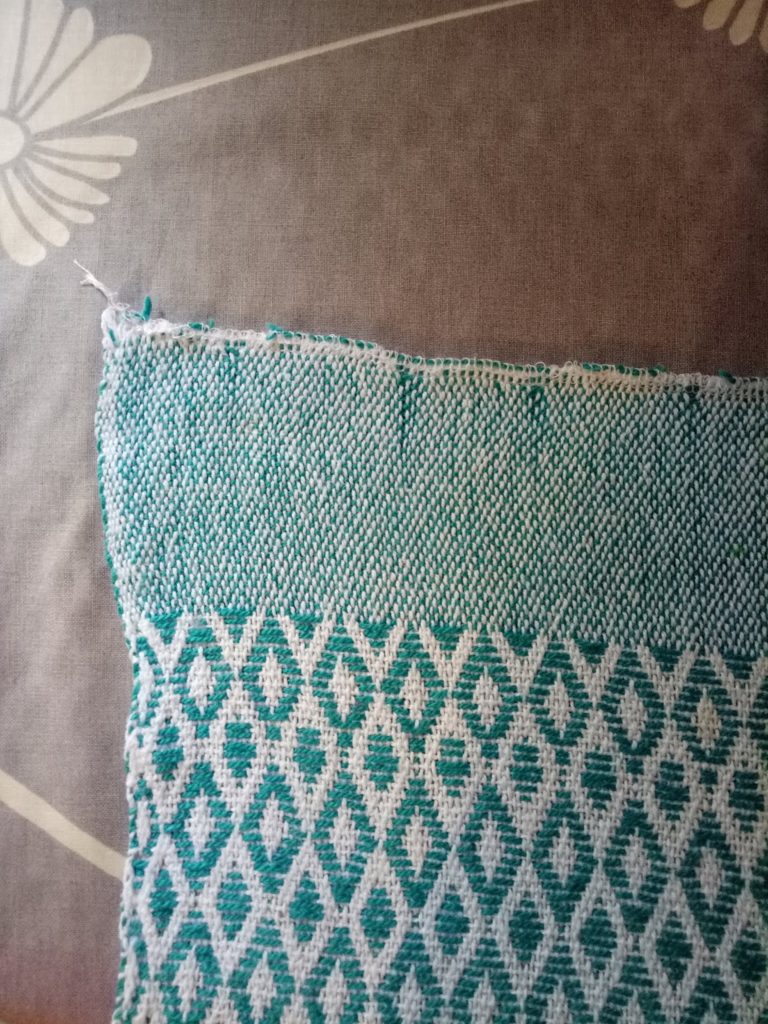
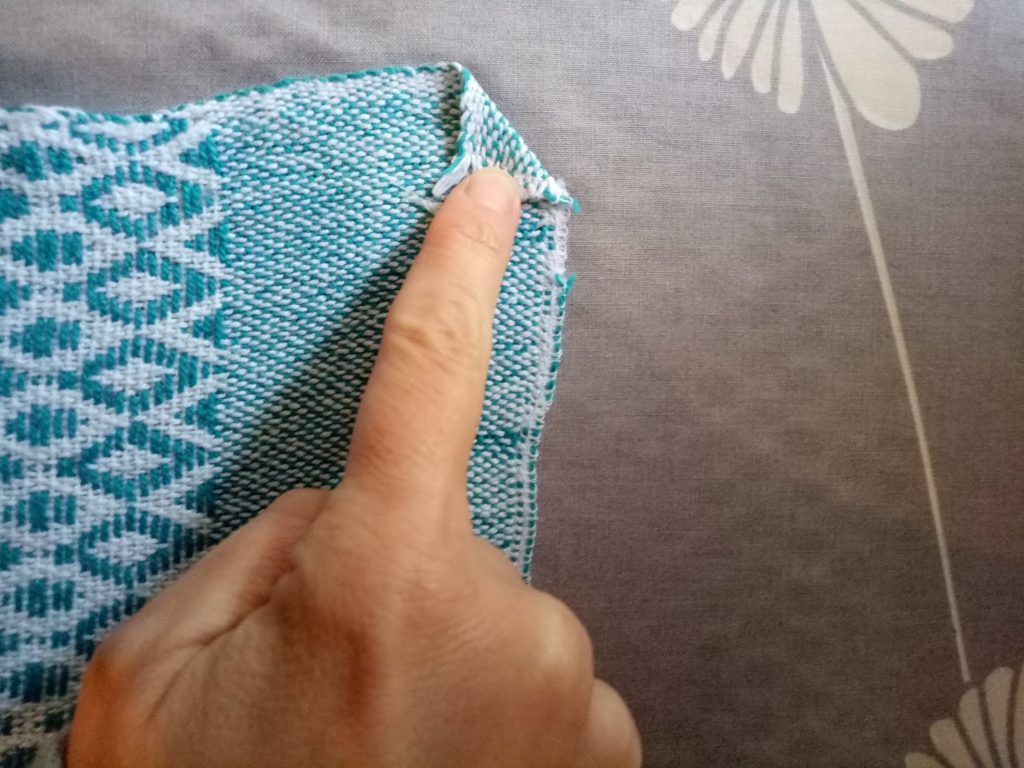
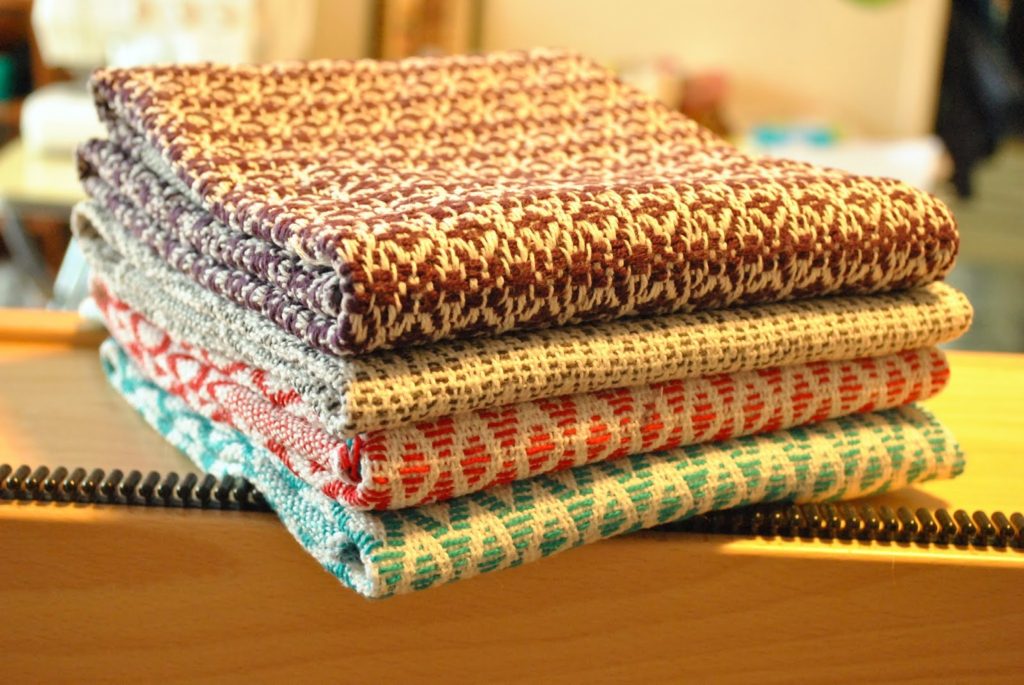
P.S. This towel is the underside of one of my hand woven Lux Hand Towels, the pattern is available in my Etsy shop.
Until next time…
 
Happy Weaving!